Hey there, folks – if you’re a facility manager, electrician, or anyone who’s ever stared at a rusty distribution panel and felt that familiar knot in your stomach, you know corrosion is the quiet nightmare of electrical infrastructure. I’ve been in the distribution panel game for over a decade now, and let me tell you, it’s the stuff that sneaks up on you. One minute your panel’s humming along fine, the next you spot that powdery white (or even dark, gross) gunk on the bus bars, or a rust spot eating through the enclosure. That’s not just ugly – that’s a fire hazard, a downtime risk, and a total headache for anyone on the hook for keeping things running. Distribution Panels

As a distribution panel supplier, I see this way too often. We build panels to last, but even the best ones will corrode if you don’t treat ‘em right. A lot of folks think corrosion only happens in super humid places – like industrial laundries or coastal warehouses – but nah. It can pop up in offices too, if there’s a leaky AC unit, or a dirty filter blowing grime all over the panel, or even just the salt from winter roadways if your panel’s outside. I’ve had customers call me panicking because their brand-new panel started showing rust in 6 months, and 9 times out of 10? It was preventable. No fancy, expensive tricks – just basic steps that anyone can do, whether you’re doing routine maintenance or picking out a new panel.
First up: pick the right panel for your environment. I know, I know – you just need a panel that fits in that closet, and you’re tempted to go for the cheapest option. But hear me out. If you’re in a coastal area, or a food processing plant where there’s all that steam and food-grade chemicals floating around, a standard mild steel enclosure ain’t gonna cut it. Sure, it’s cheaper upfront, but in two years you’re replacing the whole thing. We offer panels with galvanized steel, or even stainless steel, for these spots. Stainless 316 is actually the way to go for coastal areas – it handles salt spray way better than 304. And for places with super high humidity, like a brewery’s fermentation room, we’ll coat the enclosure with a powder coat that’s way thicker than the standard stuff – like 80 microns instead of 25 – so there’s no way moisture or grime can sneak through. I’ve had a customer in Florida go from replacing a panel every 18 months with our 316 stainless ones that are still going strong 5 years later. That’s a no-brainer, right?
But wait – even the fanciest corrosion-resistant panel will fail if you install it wrong. That’s another big one I see. A lot of electricians just slap the panel in place, seal the cable entry points with whatever caulk they have lying around, and call it a day. No, man, that’s a mistake. Cable entry points are one of the biggest weak spots for corrosion. Why? Because when you push a cable through, you can leave gaps, and moisture, dust, bugs, even small critters get in there. Those little gaps are where corrosion starts – right on the bus bars, where it can do the most damage. So when you’re installing, use the right sealing stuff. We recommend silicone-based sealant for cable entries – it’s flexible, so it moves a little with temperature changes, which means it doesn’t crack over time. Don’t use acrylic caulk – that breaks down in sunlight and humidity, and you’ll be back fixing it in a year. Also, make sure you’re not over-tightening panel fasteners. I see that too – guys cranking down on bolts so hard they strip the threads, or crack the enclosure. A tight seal is good, but overtightening creates stress points where the coating can chip, and that’s exactly where rust starts.
Next, the big one: keep the panel clean. I know, “cleaning your electrical panel” sounds like a job for an electrician, and most people put it off because they’re scared of touching live wires. And fair – never work on a live panel, ever. But turning it off and giving it a gentle clean every 6 months isn’t that hard, and it’s one of the most effective corrosion preventers. What kind of gunk are we talking about? Dust, dead bugs, food residue, salt crystals, all that stuff. If that builds up, it traps moisture against the metal, and boom – corrosion. Here’s how to do it safely: first, turn off the main breaker, test to make sure there’s no power (use a non-contact voltage tester – that’s non-negotiable). Then, take off the panel cover. Use a soft brush – like an old paintbrush with stiff bristles – to gently brush off all the loose crud. Then, use compressed air – but keep it at low pressure, like 30 PSI, so you don’t damage any delicate components – to blow the dust and debris out. Don’t use water, or any cleaning sprays, unless they’re specifically made for electrical panels. Those can leave a residue that attracts more gunk. We always include a small brush and a warning label about cleaning with every panel we ship, but I swear, most people don’t read it. I’ve had a customer in a bakery who forgot to clean his panel for 2 years – when he opened it, there was so much flour dust caked on the bus bars, the corrosion was eating through the copper. He lost power for 8 hours because his oven panel failed, and that cost him way more than the couple hours a year it takes to clean.
Then there’s humidity control. Again, people think this is only for industrial places, but even in a small office closet, if there’s a leaky pipe above the panel, or a ventilation system that blows humid air straight at it, you’ve got a problem. Condensation is a silent corrosion catalyst. When warm, moist air hits a cold panel, it forms water droplets, right against the metal. That’s perfect conditions for rust. So how do you fix that? First, check if your panel has any ventilation slots. If it does, make sure they’re not blocked by boxes, or insulation, or anything. But wait – don’t leave ventilation slots open if you’re in a dusty or humid area. Instead, install a dehumidifier unit inside the panel. We sell these as an add-on, and they’re super simple – they mount on the back of the panel, pull moisture out of the air, and they don’t need much power. Or, for smaller panels, you can use desiccant packs. Just replace them every 6 months – they’re cheap, and they work. I had a customer in a northern state where winter temps drop way below zero, and when the heat kicks on in the building, the panel gets cold, so condensation forms. Adding a desiccant pack fixed his corrosion issue completely – no more rust on the enclosure for a year now.
Another thing a lot of folks miss: avoid chemical exposure. If your panel’s near a janitor’s closet, or a pool, or a lab, all those chemicals in cleaning supplies, or pool chlorine, or lab solvents are corrosive. Chlorine is especially bad – it eats through metal like nothing. So if your panel’s in a spot where chemicals are present, you need to take extra steps. For janitorial closets, maybe move the panel to a different area that’s not near the supplies. If you can’t move it, use a panel with a fully sealed enclosure – NEMA 4X rated, that’s the highest for water and corrosion resistance. NEMA ratings aren’t just marketing numbers, folks – NEMA 4X means it’s dust-tight, water-tight, and resistant to corrosion from chemical splashes. That’s exactly what you need if you’re near anything that can spill.
Wait, what about panel location? That’s a big one too. If you’re mounting a panel outside, don’t put it on the ground, obviously. Elevate it at least 12 inches off the ground, so rainwater can’t pool around it. Don’t mount it in a spot where it’ll get direct sunlight all day – that can cause the coating on the enclosure to fade and crack, letting moisture in. Also, don’t put it near vents that blow hot, humid air, or near exhaust fans. I’ve seen a panel mounted right next to a kitchen exhaust in a restaurant – the grease and humidity from the kitchen seeped through the panel, and the bus bars were corroded in 10 months. Moving it just 10 feet away fixed that.
Oh, and don’t skip maintenance checks. A lot of people only look at their panel when something goes wrong. We recommend doing a full visual inspection every quarter. Just open the cover (with the power off, remember!) and take a look. Check for any discoloration, powdery gunk, rust spots, or even loose bolts. Catching corrosion early is way easier to fix than letting it get bad. If you see a small spot, you can clean it with a wire brush, apply a corrosion inhibitor spray, and that’s it. If you let it go, you might have to replace the whole bus bar, or worse, the whole panel.
Now, as a distribution panel supplier, I’m not just selling you a box of metal and wires. I’m here to help you avoid these problems, because I know downtime is expensive. If you’re not sure what kind of panel you need for your specific environment – whether it’s coastal, industrial, office, whatever – just reach out. We can walk you through the options, recommend the right coating, the right rating, whatever you need. And if you already have a panel that’s getting corrosive, we can help you troubleshoot that too – sometimes it’s just a simple fix, like sealing cable entries, or adding a desiccant. Sometimes it’s time for an upgrade, and we’ll give you honest advice, no pushy sales stuff.
Wait, let’s wrap this up, because I don’t want you to walk away thinking corrosion is impossible to prevent. It’s totally manageable, as long as you’re paying attention to the small stuff. Pick the right panel for your space, install it correctly, clean it regularly, control humidity, watch for chemicals, and do regular checks. That’s it. No fancy gadgets, no thousands of dollars in upgrades – just basic care.
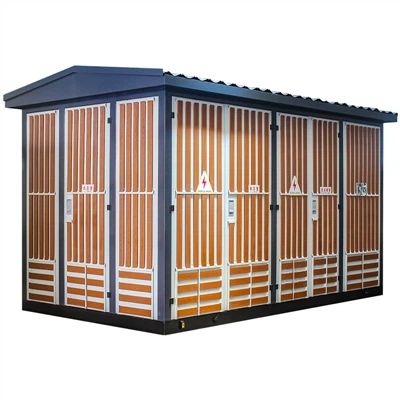
If you’re in the market for a new distribution panel, or you’re tired of dealing with corrosion on your current one, hit us up. We can talk through your specific needs, answer any questions you have, and make sure you get a panel that’ll last for years, no rust included. Don’t wait until that corrosion causes a fire, or a shutdown, or a total panel replacement. Take care of it now, and you’ll save yourself a ton of time and money later.
Cable Branch Box References:
- National Electrical Manufacturers Association. NEMA Standards for Enclosures – Types 1, 3R, 4, and 4X.
- International Electrotechnical Commission. IEC 60529: Degrees of Protection Provided by Enclosures (IP Code).
- Electrical Construction Maintenance Magazine. “Corrosion Prevention for Electrical Enclosures and Components.” May 2022.
- Underwriters Laboratories. UL 508A: Standard for Industrial Control Panels.
- Copper Development Association. “Corrosion Protection for Copper Electrical Components.” 2021.
Jiangxi Yihong Electric Power Technology Co., Ltd.
Address: Chating Industrial Park, Guangxin District, Shangrao City, Jiangxi Province
E-mail: 15779933057@163.com
WebSite: https://www.yihcn.com/
