When I first started as a tank trailer supplier, I spent countless hours visiting fleet depots, emergency response training centers, and even accident sites where tank trailers had been involved. One conversation that stuck with me was with a veteran truck driver named Joe, who’d been on the road for 28 years. He told me, “The best emergency procedure isn’t the one you read in a manual—it’s the one you’ve practiced until it’s second nature, because when something goes wrong, there’s no time to think.” That line stuck with me, and it’s shaped how I approach not just building tank trailers, but also educating anyone who works with them on what to do when an accident strikes. Tank Trailer

Tank trailer accidents aren’t like regular truck crashes. Unlike a dry van that carries non-hazardous goods, tank trailers hold everything from diesel fuel and industrial chemicals to food-grade liquids like milk or wine. Even a small leak or puncture can turn a routine stop into a hazardous materials (HazMat) incident that requires specialized training, equipment, and coordination. Over the years, I’ve helped multiple fleets update their emergency protocols, and I’ve seen firsthand how the right steps can save lives, prevent environmental damage, and minimize downtime.
First, let’s get one thing straight: every tank trailer, regardless of what it carries, has a corresponding emergency response guide (ERG) section. That ERG is non-negotiable—it’s the first tool you should reach for the second an accident happens. But here’s the mistake many people make: they don’t review that guide until it’s too late. When I work with new fleet teams, I always emphasize that the ERG shouldn’t be a dusty book in the glove box; it should be memorized, or at least quickly accessible in a digital format (we work with suppliers that mount waterproof, tamper-proof ERG tablets on all our trailers now).
Now, let’s break down the emergency response procedures step by step, based on what I’ve learned from first responders, drivers, and industry regulators. These aren’t just hypothetical steps—they’re the ones that teams have tested during mock accidents and real incidents I’ve witnessed.
The first 10 minutes after an accident are the most critical. The second you’re involved in a tank trailer crash, your first priority is to get yourself and anyone else in the cab to a safe distance. I’ve seen drivers try to assess damage while fuel is pooling under the trailer—that’s a death wish. If you’re able, turn off the engine immediately, but don’t risk igniting fuel vapors by touching any electrical components (like the starter or door handles) if there’s any sign of a leak. If the trailer has rolled over or is on its side, don’t attempt to climb out if you can avoid it—stay low, since HazMat vapors (many are heavier than air) will settle near the ground.
Next, you need to notify the right people. Too often, drivers call the police and then their dispatcher, but skip notifying HazMat experts. Here’s the order I teach: first, call 911 (or the local emergency number) and explicitly state that this is a tank trailer accident, including the type of material you’re carrying (if you know it) and any signs of damage (leaks, punctures, rollover). Then, call your fleet’s emergency response coordinator—this is someone who should be pre-trained, not just a dispatcher who can look up your route. And finally, if you’re on a highway or in a populated area, warn other drivers by activating your hazard lights and using reflective triangles (stand far enough away from traffic to place them—at least 100 feet from the crash site, more if you’re on a curve).
Wait, what if you don’t know what’s in the tank? That’s a common scenario. Some tank trailers don’t have clear markings, or the markings are damaged in the crash. In that case, don’t guess—tell the emergency responders as much as you can about the trailer: its size (most tank trailers are between 5,000 and 10,000 gallons), the type of trailer (crude oil, chemicals, liquid food), and any odors you detect (like a sweet chemical smell, a sharp petroleum odor, or even a sour milk smell). Responders can use that information to narrow down the HazMat classification, which is key to the next steps.
Once emergency personnel arrive, your role shifts. As a tank trailer supplier, I can’t stress enough how important it is to defer to trained HazMat first responders. They have the gear (SCBA masks, chemical suits) and the knowledge to handle tank trailer accidents safely. That said, you know your trailer better than anyone else—so if there’s a feature that’s unique to your unit, like an emergency shut-off valve that’s not marked on the standard ERG, or a special pressure relief valve that needs to be monitored, share that information immediately. I’ve seen a situation where a responder almost attempted to seal a leak on a food-grade tank, not realizing that the tank had a specialized cap that required a specific tool—because the driver who knew that didn’t speak up.
A big part of emergency response is containment, which is where a lot of untrained people make mistakes. If a small leak is coming from a minor component (like a hose fitting, not the main tank), don’t try to patch it yourself. Using the wrong sealant or tool can create a bigger leak, or even cause the tank to rupture. Instead, if you have access to the trailer’s emergency spill kit (which every tank trailer should carry), you can use absorbent pads or booms to contain small spills, but only if it’s safe to do so. Never walk into a spill without proper protection, and never attempt to move the trailer if it’s leaking—even a small movement can cause more damage.
After the immediate emergency is over, there’s the post-accident phase, which I’ve seen cause just as many problems as the crash itself. A lot of fleets focus on getting the trailer repaired quickly, but they skip the documentation and training that’s needed to prevent future accidents. When I work with fleets, I always recommend that they conduct a full after-action review within 72 hours of any tank trailer accident. That means talking to the driver, reviewing the trailer’s telematics (if it has them), and even sitting down with the emergency responders to talk about what went right and what went wrong.
For example, a few years ago, a fleet I worked with had a tank trailer that was involved in a fender bender on a highway. The trailer’s outer shell was damaged, but there was no leak—until a week later, when the trailer was being unloaded, the damage caused a small crack that spilled diesel into a nearby river. The fleet thought the accident was minor, so they skipped a thorough inspection of the trailer. Now, we work with that fleet to include mandatory post-accident ultrasonic testing for all tank trailers, even if there’s no obvious leak. That’s the kind of proactive step that comes from learning from emergency incidents.
Another common mistake is not updating emergency procedures when new regulations are put in place. The Hazardous Materials Regulations (HMR) change every few years, and so do best practices for tank trailer safety. Last year, the EPA updated guidelines for chemical spill response, and I worked with a regional fleet to update their spill kits to include new, more effective absorbents for petroleum-based materials. If you’re still using an emergency kit that’s five or more years old, it’s time to check if it meets current standards.
As a tank trailer supplier, we’re not just selling metal tanks and chassis—we’re selling peace of mind, which includes supporting emergency response preparedness. That’s why we offer free access to online emergency response training modules for every fleet that buys our tanks. We also include a detailed emergency manual with every trailer, specific to the type of material it’s designed to carry. For example, a tank trailer for food-grade liquids has a different emergency guide than one for corrosive chemicals, and we make sure that guide is tailored to our specific models.
I also want to talk about the human element here. Tank trailer accidents are stressful, and drivers often make split-second decisions that can be dangerous. That’s why we work with fleets to include stress management and decision-making training in their emergency response programs. A driver who’s panicking won’t follow the right steps, but a driver who’s practiced emergency procedures until they’re automatic will stay calm and make the right choices. I’ve seen a driver who, after a rollover accident, didn’t try to move the trailer, immediately called 911 with the right details, and helped responders locate the emergency shut-off valve on our trailer—because he’d practiced that drill three times a year.
Now, let’s address some common misconceptions I hear from new fleets. One is that “small leaks aren’t a big deal.” That’s only true if the material is non-hazardous. Even a small leak of a corrosive chemical can eat through asphalt, kill vegetation, and cause long-term environmental damage. Another misconception is that “emergency responders will handle everything, so I don’t need to know anything.” That’s wrong—responders are great, but they don’t know your trailer like you do. You’re the link between the emergency scene and the information needed to resolve it safely.
When a tank trailer accident does happen, the steps you take in those first minutes, hours, and even days after can make the difference between a minor incident and a disaster. And if you’re a fleet owner or manager, the work you do to prepare for that emergency will determine how smoothly (and safely) you handle it.
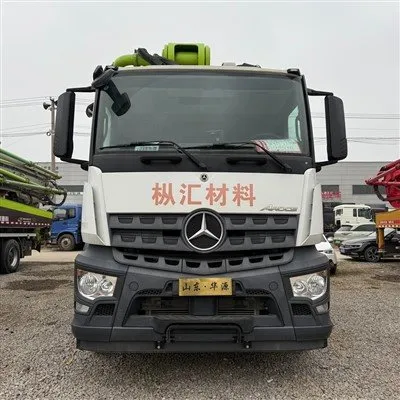
If you’re in the market for a tank trailer, or you’re looking to update your fleet’s emergency response protocols, we’re here to help. We’ve been designing and building tank trailers for over a decade, and we’ve supported dozens of fleets in creating custom emergency plans that fit their specific needs. Whether you’re hauling fuel, chemicals, or food-grade liquids, we can work with you to make sure your team has the tools, training, and equipment to handle any accident safely. Don’t wait until it’s too late—reaching out to our team to discuss your tank trailer needs and emergency response preparation is the first step toward keeping your drivers, your community, and the environment safe.
Tank Trailer References
- U.S. Department of Transportation, Federal Motor Carrier Safety Administration. Hazardous Materials Emergency Response Guide for Commercial Motor Vehicles. 2021.
- National Fire Protection Association. NFPA 472: Standard for Professional Competence of Responders to Hazardous Materials Incidents. 2022.
- American Trucking Associations. Tank Trailer Safety and Emergency Response Manual. 2020.
- Environmental Protection Agency. Spill Prevention, Control, and Countermeasure (SPCC) Requirements for Liquid Petroleum Transports. 2023.
- International Standards Organization. ISO 14906: Road Vehicles – Tank Trailers – Emergency Response Equipment. 2021.
Shandong Huayuanda Automobile Manufacturing Co., Ltd.
As one of the most experienced tank trailer manufacturers and suppliers in China, our products have good reputation in the market. We warmly welcome you to buy high quality tank trailer at low price from our factory. If you have any enquiry about cooperation, please feel free to email us.
Address: Industrial Park, Quanpu Town, Liangshan County, Jining City, Shandong Province
E-mail: Huayuanda2024@163.com
WebSite: https://www.hydtrailer.com/
