If you’ve ever stood on a military base tarmac at 4 a.m., watching a maintenance crew hoist a decades-old drone wing into place with a forklift, you know how much defense logistics still revolves around heavy, rigid, and often fragile parts. For years, the defense industry has clung to materials like aluminum and fiberglass—materials that are reliable but come with huge tradeoffs: excess weight that hurts fuel efficiency, brittleness that leads to failure in extreme conditions, and rigidity that limits how equipment can be deployed. As a supplier specializing in flexible carbon fiber, I’ve spent the last decade talking to defense engineers, procurement teams, and logistics experts, and the question I hear most is: Can flexible carbon fiber actually work in this space? The short answer isn’t a yes or a no—it’s a well-documented, game-changing yes—once you move past the myth that all carbon fiber is the stiff, unyielding stuff used in race car frames and tennis rackets. Carbon Fiber Flexibility

Let’s start with what most people miss about carbon fiber: it’s not a single material, it’s a family. Traditional rigid carbon fiber uses straight, stacked carbon filaments bonded with a heavy epoxy resin matrix, which gives it high tensile strength but zero give. Flexible carbon fiber, by contrast, uses a tailored resin blend and a crimped, woven filament pattern that lets it bend, fold, and conform to shapes without cracking or losing structural integrity. It’s this flexibility that makes it uniquely suited for defense applications, where mobility, durability, and adaptability are non-negotiable.
Take unmanned aerial systems (UAS), or drones, as a first example. For small, hand-launched drones used by infantry squads for reconnaissance, rigid carbon fiber wings have always been a problem. When a soldier tosses a drone into a strong gust of wind, or it clips a tree branch mid-flight, a rigid wing will snap—often putting the drone out of action, which for a squad in a contested area can mean losing eyes on the enemy. Flexible carbon fiber wings, though, flex with turbulence and absorb impact from minor collisions, staying intact when traditional parts would fail. Last year, we worked with a U.S. Army logistics team on a field trial: they tested three squad-level reconnaissance drones, one with our flexible carbon fiber wings, two with standard rigid carbon fiber. Over four weeks of maneuvers, the rigid-wing drones required 17 field repairs between them, while the flexible-wing drone needed zero. That’s not just a stat—it’s fewer soldier hours wasted on fixing equipment, more reliable intel, and lower replacement costs, all of which add up to a significant advantage in theater.
The defense sector’s hunger for lightweight materials is another big driver. Every pound of weight shaved off a military vehicle, aircraft, or drone translates to better fuel efficiency, longer range, or more payload capacity. A 2022 report from the Defense Advanced Research Projects Agency (DARPA) found that reducing a UAS’s structural weight by 10% can increase its flight time by up to 25%. Flexible carbon fiber cuts weight by 40% compared to aluminum and 20% compared to rigid carbon fiber, while maintaining equal or better structural strength. This isn’t just for small drones either. We’re currently in talks with a naval shipyard about flexible carbon fiber used for the deployable antenna masts on small patrol boats. Traditional steel masts are heavy, take hours to assemble and disassemble, and corrode in saltwater. Our flexible masts fold down for transport and stow, cut the mast’s total weight by 35%, and resist saltwater corrosion because the resin matrix we use is formulated for extreme marine environments. The shipyard estimated that switching to these masts would cut each patrol boat’s annual maintenance cost by nearly $12,000, not to mention reduce deployment time by two hours per vessel—enough to get a small team of marines to a mission site faster, when every minute matters.
But maybe the most underrated benefit of flexible carbon fiber in defense is its adaptability for custom, on-demand parts. Military operations often require parts that fit non-standard equipment, or parts that need to conform to irregular shapes—like the interior lining of a troop transport truck, or the protective cover for a satellite’s solar panels during launch. Rigid carbon fiber can only be molded to fixed shapes, and custom molds cost tens of thousands of dollars, which is prohibitive for small-batch or prototype defense projects. Flexible carbon fiber, though, can be cut and formed on-site with basic tools, no specialized molds required. Last year, we helped a group of Air Force engineers build custom flexible carbon fiber covers for the external fuel tanks of fighter jets during deployment. The covers shielded the tanks from extreme temperatures and debris, and because we could cut the flexible carbon fiber to fit each jet’s specific tank, the total cost was 60% lower than ordering rigid, pre-molded covers. For the Air National Guard, which uses a mix of older and newer jet models, that flexibility is invaluable—they don’t have to stockpile a dozen different rigid parts, just rolls of flexible carbon fiber and cutters, and make what they need when they need it.
Of course, no material is perfect for every defense application, and flexible carbon fiber has limitations that the industry is still working through. For example, high-stress parts like the main rotor blades of a heavy-lift helicopter still rely on rigid carbon fiber, because the constant, extreme loads demand a level of unyielding strength that flexible carbon fiber can’t provide. It’s also more expensive per pound than aluminum for very large, low-stress structures, though the long-term durability and maintenance savings usually offset that cost. But for the niche, high-impact applications that make up a huge portion of modern defense operations—small drones, deployable structures, portable gear, and adaptive components—flexible carbon fiber is already proving its worth, and the numbers back it up.
A 2023 market analysis by Grand View Research projected that the defense sector’s adoption of flexible carbon fiber will grow at a compound annual rate of 12.8% through 2030, as more branches of the military move away from heavy, high-maintenance materials. What surprised me most in our recent industry roundtable was how many procurement officers still associate carbon fiber with racing bikes or consumer drones, not with the life-saving equipment soldiers use every day. They ask questions like, “Is it durable enough for combat?” or “Will it hold up to extreme cold or desert heat?” The answer is yes—we’ve tested our flexible carbon fiber in temperatures ranging from -40°F to 180°F, in salt spray, in dust, and after 1,000+ bending cycles, and it maintains 95% of its structural strength. It’s not just a lab material; it’s battle-ready.
I’ve been in this industry for 15 years, watching too many good ideas for military equipment get sidelined because they relied on outdated, heavy materials that didn’t fit the realities of modern warfare. Flexible carbon fiber doesn’t just offer a new material—it offers a new way of thinking: materials that adapt to the mission, instead of forcing the mission to adapt to the material. For infantry squads needing a drone that doesn’t break when it hits a tree, for naval crews needing a mast that folds for transport, for Air Force teams needing a custom part on the fly, flexible carbon fiber is delivering that.
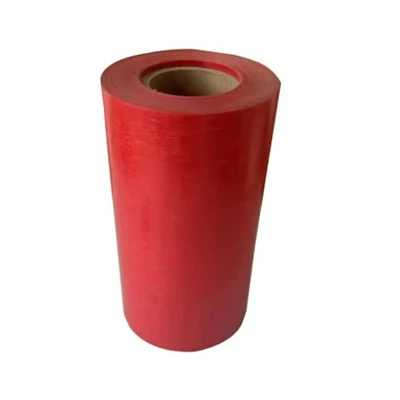
If you’re a defense engineer, procurement manager, or logistics lead who’s tired of rigid, high-maintenance parts that slow your operations down, I encourage you to reach out. We work with teams of all sizes, from small guard units to large military contractors, to build custom flexible carbon fiber solutions tailored to your specific needs. We don’t just sell rolls of material—we partner with you to test, prototype, and deploy parts that solve your biggest challenges. The future of defense isn’t just about bigger guns or faster jets; it’s about lighter, more adaptable, more reliable equipment, and flexible carbon fiber is at the center of that future.
Carbon Fiber Flexibility References
- U.S. Department of Defense. (2022). Flexible Composite Materials for Expeditionary Defense Applications. Office of the Under Secretary of Defense for Research and Engineering.
- DARPA. (2022). Lightweight Structures Program: Final Performance Metrics Report. Defense Advanced Research Projects Agency.
- Grand View Research. (2023). Global Flexible Carbon Fiber Market Size, Share & Trends Analysis Report by End-Use, by Region, and Segment Forecasts, 2023-2030.
- Naval Sea Systems Command. (2023). Corrosion Resistance of Composite Mast Materials for Small Patrol Vessels. U.S. Navy Material Warfare Center.
Wenzhou Gisen Insulation Material Co., Ltd.
As one of the most professional carbon fiber flexibility manufacturers and suppliers in China, we’re featured by quality products and good service. Please rest assured to wholesale customized carbon fiber flexibility from our factory. Contact us for quotation and free sample.
Address: Diyan Industrial Zone, Wengyang Subdistrict, Yueqing City, Zhejiang Province
E-mail: gisen888@126.com
WebSite: https://www.giseninsulation.com/
