Hey guys, let’s cut to the chase: if you’ve got astigmatism and you’re staring at your phone’s tiny text while reaching for the old reading glasses tucked in your junk drawer, you’ve probably wondered this exact question. I’m the owner of a small reading glasses supplier, and over the last few years, I’ve talked to hundreds of customers who’ve hit this same wall—some thinking, “Wait, can I just grab the +2s I got last year if my eyes feel tired?” while others swear astigmatism means they have to go to an optometrist and pay a fortune for custom lenses. Let’s break this down straight, no fancy jargon, and talk straight about what actually works here. Reading Glasses
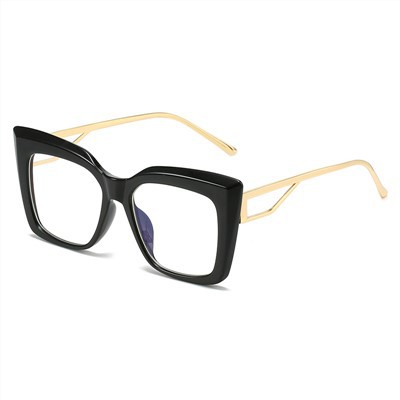
First, let’s get one thing clear: most reading glasses you pick up at a drugstore or online aren’t custom, and they aren’t made for astigmatism. That’s not a knock on them—they’re mass-produced, cheap, and perfect for people with “normal” near vision issues, like presbyopia (that annoying eye thing that hits most of us in our 40s where we can’t focus on close stuff anymore). But astigmatism is a little different. It’s when your cornea (the clear front part of your eye) isn’t a smooth, round sphere—instead, it’s more like a football, curved one way steeper than the other. That means light doesn’t focus evenly on your retina, so you see things blurry, stretched, or distorted—like text that looks wobbly, or coffee stains on your shirt that you can’t make out even when you’re close.
Now, the big question: can you wear off-the-shelf reading glasses with astigmatism? The short answer is… sometimes, but only if your astigmatism is mild. Like, super mild—so mild you probably haven’t even gotten a formal diagnosis from an optometrist yet. If your astigmatism is so subtle that you don’t notice it when you’re watching TV or driving, then yeah, those basic reading glasses might actually work for close-up stuff like reading a book or scrolling through your grocery list. But if your astigmatism is even a little noticeable—say, you hold your phone an inch from your face to read texts, or you squint when you look at a menu—off-the-shelf readers aren’t going to fix that. Why? Because those generic lenses only have “spherical” power, meaning they curve evenly in all directions to correct presbyopia. They don’t have the extra “cylindrical” power you need to fix that lopsided cornea of yours. That’s the stuff custom lenses have, and it’s non-negotiable if your astigmatism is more than just a tiny blip.
Wait, but let’s get real—what’s the difference between “mild” and “not mild”? I’ve had customers tell me, “My eye doctor said my astigmatism is like 0.5 diopters, is that bad?” (If you don’t know, diopters are the unit we use to measure lens power.) The general rule of thumb here: any astigmatism under 1.0 diopters is often considered mild, and some people can get away with off-the-shelf readers. But if it’s 1.0 diopters or higher, you’ll need lenses with that cylindrical correction, which off-the-shelf ones don’t have. So if you’re guessing, go easy on yourself—if after five minutes of wearing drugstore readers your text is still blurry, or you get a headache, that’s your astigmatism saying, “Sorry, these don’t cut it.”
Here’s another thing people miss: even if your astigmatism is mild, those off-the-shelf readers might still irritate you more than they help. Because generic readers are one-size-fits-all in curvature too—so even if the power is right, the curve might not line up with your cornea’s shape, making that blurriness worse. I’ve had a customer last month tell me he’d been wearing +1.5 readers for a year, but his eyes felt so strained every time he read, and once he got custom lenses (with super mild cylindrical correction), he said his tired eyes went away within a week. That’s the thing—astigmatism, even mild, can cause eye fatigue if it’s not corrected properly, even when you’re just doing close work.
Now, let’s talk about what you can do if you’ve got astigmatism and you need reading glasses. First, get a quick check-in with an optometrist if you haven’t already. You don’t need a full exam if you’re just needing reading glasses—just mention that you have astigmatism and need a prescription for near vision. They’ll tell you how much cylindrical correction you need, which is key here.
Once you have that prescription, you have a couple options. If you don’t want to spend a ton, some online reading glasses suppliers (including mine, by the way) make “semi-custom” readers for mild astigmatism. These are still affordable, but they have that small cylindrical correction built in, not the generic spherical only. They’re priced way lower than prescription glasses from an optometrist, and they’re way more comfortable than off-the-shelf ones. For people with mild to moderate astigmatism, these work like a charm.
If your astigmatism is more than 1.5 diopters, or if you wear distance glasses too, then you’ll need full prescription reading glasses—no way around that. But even then, you don’t have to pay an arm and a leg. A lot of suppliers, mine included, can make custom prescription reading glasses with astigmatism correction for way less than the big optometry chains charge. We’ve had people come to us after paying $300 for custom readers from their eye doctor, and tell us they got the same thing for under $50 with us. That’s the perk of working with a supplier that specializes in reading glasses, not just regular prescription frames.
Wait, let’s bust a common myth here: some people think “if I have astigmatism, I can’t wear reading glasses at all”—no, that’s not true. Astigmatism is just a misshapen cornea, it doesn’t mean your presbyopia is worse. You still need that near vision correction, you just need it paired with the cylindrical correction for your astigmatism. The mistake people make is thinking all reading glasses are the same—they’re not. The basic drugstore ones are great for people with no astigmatism who just need +1, +2, whatever, but if you have astigmatism, you need that extra step.
I want to throw in a quick personal anecdote here, since I’ve been in this game for a while. A couple years back, my mom got diagnosed with mild astigmatism, and she refused to go get custom glasses because she thought it was “just for people with bad eyes.” She kept grabbing my old +2.5 readers when she came over, and every time I visited, she’d complain her eyes were tired and she couldn’t read the newspaper without holding it way too close. Finally, I got her a pair of semi-custom readers with 0.5 diopters of cylindrical correction, and the next time I saw her, she was like, “Why didn’t you get these for me sooner? My eyes don’t hurt anymore!” That’s the thing—even a tiny bit of cylindrical correction makes a huge difference for people with mild astigmatism, especially when you’re dealing with the strain of presbyopia on top of it.
Now, let’s talk about what to watch out for if you’re testing off-the-shelf readers with astigmatism. First, test them for at least 10 minutes—don’t just glance at a sign, read a paragraph of a book or your phone. If after that time, your eyes feel strained, or the text looks blurry or distorted, ditch ’em. Second, pay attention to the power—if you think you need +1.5, don’t just grab +2 because it’s a “little stronger.” The wrong power will make your astigmatism symptoms way worse, leading to headaches or even double vision for some people. Third, don’t rely on “one size fits all”—off-the-shelf lenses have a fixed curve, so if your cornea is a little different shape, they’ll never work right, no matter the power.
Here’s where I can plug what we do, since I mentioned I’m a reading glasses supplier: we specialize in making both mild and moderate astigmatism correction reading glasses that are affordable, no crazy markup. We’ve got semi-custom options for people who don’t want to drop a lot, and full prescription custom ones for anyone who needs that extra oomph. We’ve even got a “try before you buy” option now, so you can test a pair at home for a week, no risk, to make sure they work for your astigmatism. That’s a big deal—no more guessing if generic readers will mess with your eyes.
Wait, another question I get a lot: “Can I get bifocals or progressives with astigmatism correction?” Yeah, you can! If you need to see near, intermediate, and distance, we make those too. A lot of people with presbyopia end up needing multifocal glasses, and adding astigmatism correction to those is totally doable, and way cheaper than going to a high-street optical shop.
Let’s wrap this up so it’s not all scattered. The key takeaways, plain and simple:
- If you have mild astigmatism (under 1.0 diopters) that’s never bothered you before, off-the-shelf reading glasses MIGHT work, but test them for a full 10 minutes—if your eyes hurt or text is blurry, they’re not for you.
- If you have moderate or more astigmatism (1.0 diopters or higher), off-the-shelf readers will NOT fix your vision, and will probably make your eyes more tired. You need correction for that lopsided cornea.
- You don’t have to pay a fortune for this—reach out to a reading glasses supplier (like us) for semi-custom or custom astigmatism-corrected reading glasses, which are way cheaper than optometrist-prescribed custom frames.
- If you’re unsure, a 5-minute check-in with an optometrist to confirm your astigmatism strength is totally worth it—takes 10 minutes, and you’ll know exactly what you need.

Now, if you’re tired of generic readers that don’t work with your astigmatism, and you want to skip the high optical shop prices, reach out to us to chat about your needs. Whether you’re looking for a few pairs for home, travel, or work, we can hook you up with the right reading glasses that actually fix your astigmatism and presbyopia, no guesswork, no hidden fees. Don’t let blurry text or tired eyes hold you back—let’s make reading (and scrolling, and everything else) comfortable for you.
TR90 Reading Glasses References
- American Academy of Ophthalmology. (2024). Astigmatism: What You Need to Know for Clear Vision.
- National Eye Institute. (2023). Presbyopia and Near Vision Correction Options.
- Journal of Optometry. (2022). Cost-Effective Reading Glasses for Mild to Moderate Astigmatism.
- American Optometric Association. (2023). Self-Care Tips for Correcting Astigmatism in Daily Use.
Yiwu Finewell Eyewear Co., Ltd.
Yiwu Finewell Eyewear Co., Ltd. one of the leading reading glasses manufacturers and suppliers in China. We warmly welcome you to buy or wholesale discount reading glasses from our factory. All customized products are with high quality and competitive price. Contact us for more details.
Address: Yiwu Wangshang Chuangye Building, No.407, Yongjun Road, Beiyuan Street, Yiwu City, Jinhua City, Zhejiang Province.
E-mail: Mariayang@ywfinewell.com
WebSite: https://www.finewelleyewear.com/
