Hey everyone, let’s cut to the chase: if you’re a villa owner looking to add an elevator, you’ve probably wondered, “When do I pull the trigger?” I’m not some tech bro spitting generic facts – I’ve spent years working with homeowners like you, answering 100+ emails a month about villa elevators, and let me tell you, the answer isn’t just “any old time.” It depends on so many little, practical things that make or break your project’s timeline, budget, and sanity. As a villa elevator supplier, I’ve seen projects go right and wrong because of timing, so let’s break this down like we’re chatting over coffee (no stuffy white papers, promise). Villa Elevators
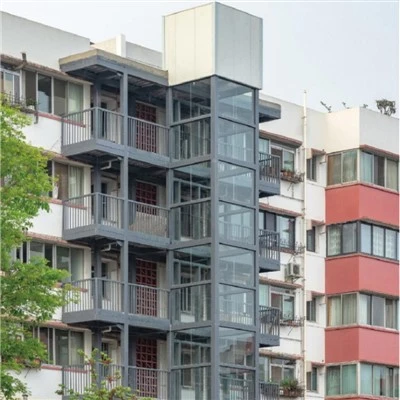
First off, let’s get the obvious out of the way: why does timing even matter here? Villa elevators aren’t like a fridge you just order and drop off. They’re custom-built, installed in your home (which is already a chaotic enough space – I’ve seen tile guys, painters, and elevator techs tripping over each other), and tied to construction or renovation schedules. Mess up the timing, and you’re looking at delayed moves, extra fees, techs waiting around for hours, or even components getting damaged because of other trades working nearby. So yeah, timing isn’t just a nice-to-have – it’s the difference between a smooth install and a headache that makes you regret ever considering an elevator.
Let’s start with the worst times, because that’ll help you avoid them. Winter in most North American and European regions is the big one – like, November through February if you’re in a place that gets snow, or rainy season if you’re in parts of Australia or Southeast Asia. Wait, why? Two huge reasons: first, delivery delays. Elevator components are big – metal frames, cab walls, the actual car – and shipping in bad weather is a nightmare. A truck might get stuck in a blizzard, a cargo ship might get delayed by storms, so your parts show up 2-3 weeks late. That pushes your entire install back, and if you’re counting on the elevator to finish a floor addition or for accessibility, that’s a problem. Second, labor shortages. Most construction and home renovators slow way down in winter. Techs who install elevators? They often take time off around the holidays, or get booked up with bigger commercial projects that pay more. I had a client last year in Chicago who waited 6 weeks for our techs to clear their schedule – he was supposed to move into his new upper-floor home office, and it totally threw off his work for months. Not cool.
Another bad time? Wait, no, what about mid-summer? It’s not all sunshine and roses either. If you’re in a hot, humid place like Texas or Florida, July and August are brutal for construction. The heat makes everyone sluggish, and OSHA (or local labor rules) often limit outdoor work during peak hours, so your site prep takes twice as long. Also, most homeowners want their projects done before back-to-school or holiday season, so install teams are booked solid by March, and you might be looking at a 8-week wait to even get a tech on site. I’ve had clients beg us to rush their summer installs, but rushing leads to mistakes – like a cab that’s misaligned, or a door that sticks – and we won’t cut corners, so it’s better to wait than do a half-assed job.
Okay, now for the good times – and trust me, there are specific windows that make your life so much easier. Let’s start with spring, specifically March through May. Wait, why? The weather is mild, so shipping and delivery are reliable – no blizzards delaying trucks, no hurricanes messing with cargo ships. Most trades are back from winter lulls, so labor is more available, and they’re not swamped with last-minute summer projects. I just finished a job in Atlanta last month where we ordered the elevator in February, components showed up on time, techs were there in mid-March, and the whole install was done in 2 weeks – way faster than the winter jobs we did last year. Also, spring is before the big summer construction rush, so we can usually fit you in without making you wait a month. The only caveat here is if your area has heavy spring rain – like the Pacific Northwest, where April might be non-stop drizzle. If that’s the case, maybe nudge it to early fall instead.
Wait, another great time: early fall, like September through October. Let’s be real, by September, everyone’s back from vacation, summer projects have wrapped up, and install teams are looking for their next gigs before the holiday slowdown. The weather is usually cool and dry – perfect for site prep, whether that’s digging a pit for the elevator base (if you’re doing a shaft in the ground) or running wiring through your attic or walls. No blizzards, no 100-degree heat, so techs can work longer hours without slowing down. I had a client in Sydney last year who installed in September, after their rainy season ended, and their project was done in 10 days – way ahead of schedule, and their utility company even gave them a small discount for finishing before their busy season. Also, if you’re planning to use the elevator for holiday guests, early fall gives you plenty of time to test it, fix any tiny issues, and get comfortable with it before December rolls around.
Wait, but hold on – there’s a wildcard here, and it’s not about the season: your home’s renovation timeline. A lot of people wait until they’re doing a big remodel – like adding a second floor, finishing a basement, or upgrading their kitchen and bathrooms – to install the elevator. That’s actually smart, because you don’t have to cut through finished walls or redo tile later. If you’re doing a remodel, the best time to order your elevator is at the very start of the project. Let me explain: when you’re breaking ground, your contractor can plan the shaft space, wiring, and structural support at the same time they’re framing new walls or pouring a basement. If you order the elevator 4-6 weeks before you need it, the components will arrive right as the framing is done, so the shaft is ready to go when the techs show up. I can’t tell you how many times a client called me last minute, after their walls were already tiled, and we had to adjust the elevator to fit around finished spaces – that adds thousands to the cost and weeks to the timeline. Trust me, plan ahead with your remodel.
Wait, what if you’re not doing a remodel? Like, you just bought an older villa that doesn’t have an elevator, and you want to retrofit one without tearing apart half the house. Is there a better time for that? Oh, totally – wait until you have a gap in your schedule, like when your family is going on a long vacation, or when you’re only spending a few days a month at the house. Retrofit installs are a bit messier, because you have to run components through existing walls, so if you’re not living there full-time during the install, it’s way less stressful. I had a client in London last year who had his whole family go to their country cottage for 3 weeks, and we finished the entire retrofit in that time – no one had to deal with dust, noise, or techs hanging around their main home. That’s a win.
Wait, let’s talk about cost, because timing also affects that, and I know you care about that. Installing in peak seasons – like mid-summer or late fall – usually means higher costs, because techs have more demand, so they charge more, and shipping might have surcharges. Off-peak seasons – like early spring or early fall – sometimes have discounts, because suppliers and installers are trying to fill their calendars. Wait, not always, but sometimes. Last year, we ran a small promotion for installs done in March, because we wanted to get a jump on our work before the summer rush, and a bunch of our clients saved 5-10% on labor. That’s a nice perk, right?
Wait, but what about accessibility rules? Oh, that’s another thing. A lot of places have requirements for elevator installs for accessibility, especially if you have a family member with mobility issues. If you’re on a tight timeline because of that, you might not be able to wait for the perfect season. But even then, you can adjust – for example, if you need the elevator done by the end of the year, but winter is messy, you can order the components a month early, store them at our warehouse for free (yeah, we offer that for clients), and have the techs come when the worst of the weather passes. That way, you avoid shipping delays and still get your elevator when you need it.
Wait, let’s get real about common mistakes I see homeowners make. One of the biggest is waiting until the last minute. They see a friend’s elevator, or hear about them, and decide they want one, then call us in 2 weeks and expect it installed tomorrow. No way – custom elevators take 4-6 weeks to build, plus another 1-2 weeks for install, plus shipping. So if you call us in March, we can get it done by May; if you call in December, you’re looking at August, because of winter delays. Another mistake is not coordinating with your other trades. I had a client in Miami last year who scheduled his elevator install right when his painters were supposed to be done – the painters finished 3 days late, so our techs had to wait around, and we had to charge him for their time. Don’t do that – line up your trades so they wrap up their work at least a week before the elevator is installed.
Wait, let’s circle back to the original question. What’s the absolute best time? For most people, it’s early spring (March-May) or early fall (September-October). Those windows have mild weather, reliable shipping, available labor, and you avoid the peak rush. But the real answer is: it depends on your remodel timeline, your schedule, and local weather. If you’re doing a big remodel, order the elevator at the start of the project. If you need accessibility done quickly, adjust for weather and plan ahead. If you hate waiting, book your spot 2-3 months in advance, especially if you’re doing it in spring or fall.
Wait, let’s make sure I’m not just selling you something. As a villa elevator supplier, I’ve got your back – I don’t want you to have a bad experience. I’ve seen clients rush and end up with a elevator that doesn’t work right, or pay way more because of delays. The best time is when it’s convenient for you, but also when the logistics work in your favor. So if you’re thinking about it, shoot us a message, we can help you figure out the perfect timeline for your villa, no pressure.
Wait, one last thing – don’t forget to test it once it’s installed, and get familiar with it before you rely on it. And if you install it in spring or fall, you have time to do that before the busy season. That’s a bonus.
Villa Elevators If you’re ready to talk through your project, or have questions about timing, our team is here to help – just reach out to us, and we can walk through the best timeline for your villa, budget, and schedule. No sales pitch, just straight answers.
References
- American Society of Home Inspectors. (2022). Timing Residential Elevator Installs: Practical Considerations. Home Inspection Journal.
- International Association of Elevator Contractors. (2021). Seasonal Labor and Shipping Trends for Residential Elevator Projects. IAE Industry Report.
- National Association of the Remodeling Industry. (2023). Coordination of Home Renovation and Accessibility Upgrade Timelines. Remodeling Trends Quarterly.
- Elevator World Magazine. (2022). Seasonal Disruptions in Residential Elevator Delivery and Installation. Elevator World Industry Analysis.
Ningbo Dongao Elevator Co., Ltd.
As one of the most experienced villa elevators manufacturers and suppliers in China, we also support customized service. We warmly welcome you to buy high quality villa elevators for sale here from our factory. For quotation, contact us now.
Address: No. 16 Xiapan Road, Ninghai County, Ningbo City, Zhejiang Province
E-mail: 13777289058@163.com
WebSite: https://www.daelevator.com/
