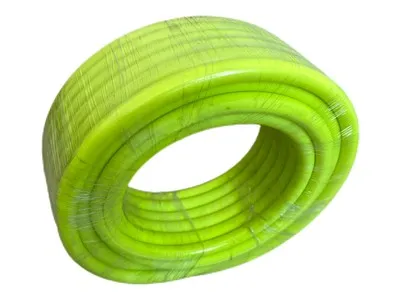
Connecting lay flat hoses to other equipment is a critical process in various industries, from agriculture to firefighting and industrial applications. As a lay flat hose supplier, I’ve had the opportunity to see firsthand the importance of proper connection techniques. In this blog post, I’ll share some essential tips on how to connect lay flat hoses to different types of equipment effectively and safely. Lay Flat Hose
Understanding the Basics of Lay Flat Hoses
Before diving into the connection process, it’s important to understand the basic structure and features of lay flat hoses. These hoses are typically made from flexible materials such as PVC, polyurethane, or rubber, which allow them to be easily stored and transported when not in use. They are designed to lie flat when empty, minimizing storage space and making them highly portable.
Lay flat hoses come in various sizes and diameters, depending on the specific application. The most common sizes range from 1 inch to 6 inches in diameter, with larger sizes available for industrial and high-volume applications. The length of the hose can also vary, with standard lengths ranging from 50 feet to 300 feet or more.
Preparing the Hose and Equipment
The first step in connecting a lay flat hose to other equipment is to ensure that both the hose and the equipment are properly prepared. This includes inspecting the hose for any damage or defects, cleaning the connection points, and ensuring that the equipment is compatible with the hose.
Inspecting the Hose
Before use, carefully inspect the lay flat hose for any signs of damage, such as cuts, abrasions, or leaks. If you notice any damage, it’s important to replace the hose immediately to prevent potential safety hazards. Additionally, check the fittings on the hose to ensure that they are in good condition and properly attached.
Cleaning the Connection Points
Clean the connection points on both the hose and the equipment to remove any dirt, debris, or old seals. This will help to ensure a tight and secure connection. You can use a mild detergent and water to clean the connection points, followed by a dry cloth to remove any excess moisture.
Ensuring Compatibility
Make sure that the equipment you are connecting the lay flat hose to is compatible with the hose in terms of size, pressure rating, and material. Using incompatible equipment can lead to leaks, reduced performance, or even damage to the hose or the equipment. Refer to the manufacturer’s specifications for both the hose and the equipment to ensure compatibility.
Connecting the Hose to Different Types of Equipment
Once the hose and equipment are properly prepared, you can proceed with the connection process. The specific method of connection will depend on the type of equipment you are using. Here are some common methods for connecting lay flat hoses to different types of equipment:
Connecting to a Hydrant
Connecting a lay flat hose to a hydrant is a common application in firefighting and water supply systems. To connect the hose to a hydrant, follow these steps:
- Open the hydrant valve slowly to allow water to flow into the hose. This will help to prevent any sudden pressure surges that could damage the hose or the connection.
- Attach the hose fitting to the hydrant outlet using a wrench or a suitable tool. Make sure that the fitting is tightened securely to prevent leaks.
- Check for leaks by inspecting the connection points for any signs of water leakage. If you notice any leaks, tighten the fitting further or replace the seal if necessary.
Connecting to a Pump
Connecting a lay flat hose to a pump is another common application in industrial and agricultural settings. To connect the hose to a pump, follow these steps:
- Turn off the pump and disconnect the power supply to ensure safety.
- Attach the hose fitting to the pump outlet using a wrench or a suitable tool. Make sure that the fitting is tightened securely to prevent leaks.
- Prime the pump according to the manufacturer’s instructions to ensure proper operation. This may involve filling the pump with water or using a priming device.
- Turn on the pump and check for leaks by inspecting the connection points for any signs of water leakage. If you notice any leaks, tighten the fitting further or replace the seal if necessary.
Connecting to a Sprinkler System
Connecting a lay flat hose to a sprinkler system is a common application in agriculture and landscaping. To connect the hose to a sprinkler system, follow these steps:
- Lay out the hose along the desired path, making sure that it is free from any kinks or obstructions.
- Attach the hose fitting to the sprinkler system inlet using a wrench or a suitable tool. Make sure that the fitting is tightened securely to prevent leaks.
- Turn on the water supply and check for leaks by inspecting the connection points for any signs of water leakage. If you notice any leaks, tighten the fitting further or replace the seal if necessary.
- Adjust the sprinkler heads to ensure that the water is distributed evenly over the desired area.
Tips for a Secure and Leak-Free Connection
To ensure a secure and leak-free connection between the lay flat hose and the equipment, follow these tips:
- Use the right fittings for the specific application. Make sure that the fittings are compatible with the hose and the equipment in terms of size, pressure rating, and material.
- Tighten the fittings securely using a wrench or a suitable tool. However, be careful not to over-tighten the fittings, as this can damage the hose or the equipment.
- Use a sealant or a gasket to prevent leaks. Apply a thin layer of sealant or install a gasket between the fitting and the connection point to create a watertight seal.
- Inspect the connection regularly for any signs of wear or damage. If you notice any issues, replace the fittings or the hose immediately to prevent potential safety hazards.
Conclusion
Connecting lay flat hoses to other equipment is a straightforward process that requires proper preparation, the right tools, and a little bit of know-how. By following the tips and guidelines outlined in this blog post, you can ensure a secure and leak-free connection between the hose and the equipment, which will help to improve the performance and reliability of your system.
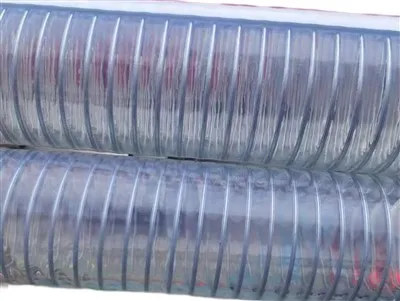
PVC Suction Hose If you have any questions or need further assistance with connecting lay flat hoses to your equipment, please don’t hesitate to contact us. As a leading supplier of lay flat hoses, we have the expertise and experience to help you find the right solution for your specific needs. We offer a wide range of high-quality lay flat hoses and fittings, as well as professional installation and maintenance services. Contact us today to learn more about our products and services and to discuss your requirements.
References
- Manufacturer’s specifications for lay flat hoses and equipment
- Industry standards and guidelines for hose connections
- Personal experience and expertise in the field of hose supply and installation
Weifang Xinzhiyuan Plastic Co., Ltd.
As one of the most experienced lay flat hose manufacturers and suppliers in China, we offer a wide range of products with superior quality. Please feel free to wholesale premium lay flat hose made in China here from our factory. We also accept customized orders.
Address: No. 700, Tongle Street, Economic Development Zone, Changle County, Weifang City, Shandong Province
E-mail: hua@xzypvchose.com
WebSite: https://www.pvchose-xzy.com/
