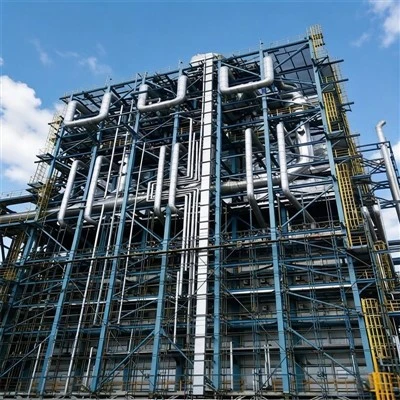
In the ever-evolving landscape of automotive and industrial technology, exhaust heat recovery systems (EHRS) have emerged as a crucial solution for enhancing energy efficiency. As a long – standing supplier of EHRS, I’ve witnessed firsthand the remarkable transformation of these systems over the years. One of the most exciting aspects of this evolution is the incorporation of new materials, which have the potential to revolutionize the performance and efficiency of EHRS. Exhaust Heat Recovery System
Traditional Materials in Exhaust Heat Recovery Systems
Historically, EHRS have relied on a variety of well – established materials. Metallic materials, such as stainless steel, have been the workhorses of these systems. Stainless steel is favored for its excellent corrosion resistance, which is essential given the harsh and corrosive environment within exhaust systems. The high temperatures and the presence of acidic gases in exhaust emissions can quickly degrade less resistant materials. Additionally, stainless steel has good thermal conductivity, allowing it to efficiently transfer heat from the exhaust gases to the working fluid in the EHRS.
Copper is another traditional material used in EHRS, especially in heat exchangers. Copper has an extremely high thermal conductivity, making it ideal for rapid heat transfer. However, it is more susceptible to corrosion compared to stainless steel, which limits its use in some applications. Aluminum is also used in certain components, mainly because of its low density and relatively good thermal conductivity. It is often used in parts where weight reduction is a priority, such as in automotive EHRS to improve fuel efficiency.
New Materials on the Horizon
Ceramic Matrix Composites (CMCs)
Ceramic matrix composites are one of the most promising new materials for EHRS. These composites consist of ceramic fibers embedded in a ceramic matrix. CMCs offer several advantages over traditional metallic materials. Firstly, they have excellent high – temperature resistance. Exhaust gases can reach extremely high temperatures, often exceeding 1000°C in some industrial applications. Metallic materials may start to lose their mechanical properties and corrode at such high temperatures, but CMCs can withstand these extreme conditions without significant degradation.
Secondly, CMCs have a low thermal expansion coefficient. This means that they do not expand or contract significantly with temperature changes, reducing the risk of thermal stress and cracking in the EHRS components. In addition, CMCs are lightweight, which is a major advantage, especially in automotive applications where weight reduction is crucial for improving fuel economy.
Graphene
Graphene is a single – layer of carbon atoms arranged in a two – dimensional honeycomb lattice. It has extraordinary thermal and electrical properties. In the context of EHRS, its high thermal conductivity is of particular interest. Graphene can facilitate extremely fast heat transfer, potentially improving the efficiency of heat exchangers in EHRS.
Moreover, graphene is also highly resistant to corrosion. It can form a protective layer on the surface of other materials, preventing them from coming into direct contact with the corrosive exhaust gases. This property can extend the lifespan of EHRS components and reduce maintenance costs. Although the large – scale production of graphene – based components for EHRS is still in the research and development stage, the potential benefits are undeniable.
Shape Memory Alloys (SMAs)
Shape memory alloys are materials that can "remember" their original shape and return to it when subjected to a specific temperature or stress. In EHRS, SMAs can be used in valves and actuators. For example, a SMA – based valve can open or close at a specific exhaust gas temperature, allowing for more precise control of the EHRS operation.
This intelligent control can optimize the heat recovery process, ensuring that the system operates at its maximum efficiency under different operating conditions. SMAs also have good mechanical properties and can withstand repeated cycles of deformation and recovery, making them suitable for long – term use in EHRS.
Impact of New Materials on EHRS Performance
The use of these new materials can significantly enhance the performance of EHRS. With the improved high – temperature resistance of CMCs, EHRS can operate at higher exhaust gas temperatures, extracting more heat energy from the exhaust. This leads to an increase in the overall energy recovery rate, which is a key metric for evaluating the effectiveness of an EHRS.
The high thermal conductivity of graphene can improve the heat transfer efficiency of heat exchangers. A more efficient heat exchanger means that more heat can be transferred from the exhaust gases to the working fluid in a shorter period, resulting in a faster and more effective heat recovery process.
The intelligent control provided by SMAs can optimize the operation of EHRS. For example, by adjusting the flow of the exhaust gases or the working fluid according to the temperature, SMAs can ensure that the EHRS operates at its peak performance under various load conditions, such as in different driving modes for automotive applications or different production processes in industrial settings.
Challenges and Considerations in Using New Materials
While the new materials offer many advantages, there are also several challenges and considerations in their implementation. One of the main challenges is the cost. CMCs, graphene, and SMAs are generally more expensive to produce than traditional materials. This cost factor may limit their widespread adoption, especially in price – sensitive markets.
Another challenge is the manufacturing process. The production of components using these new materials often requires specialized equipment and techniques. For example, the production of CMCs involves complex processes such as fiber pre – impregnation and high – temperature sintering. These processes require a high level of technical expertise and investment in manufacturing facilities.
In addition, the long – term reliability of these new materials in real – world EHRS applications still needs to be fully evaluated. Although laboratory tests have shown promising results, the actual performance of these materials in the harsh and variable environment of exhaust systems may be different. Long – term field trials are needed to ensure that the new materials can meet the durability and performance requirements of EHRS.
Our Role as an EHRS Supplier
As an EHRS supplier, we are at the forefront of exploring and implementing these new materials. We have established partnerships with research institutions and material suppliers to stay updated on the latest developments in the field. Our R & D team is constantly working on developing new manufacturing processes and designs to incorporate these new materials into our EHRS products.
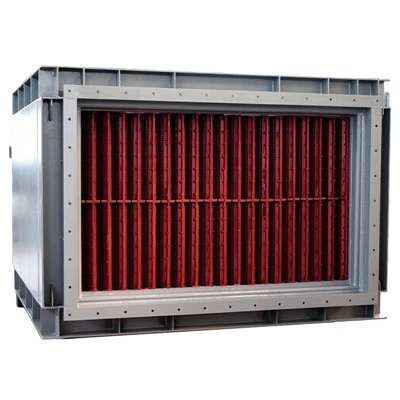
We understand the challenges associated with using new materials, and we are committed to finding solutions to overcome them. For example, we are exploring ways to reduce the cost of using new materials through mass production and process optimization. We are also conducting extensive testing and validation of our new – material – based EHRS products to ensure their reliability and performance.
Contact Us for Procurement and Collaboration
Exhaust Heat Recovery System If you are interested in learning more about our exhaust heat recovery systems, especially those incorporating the latest new materials, we invite you to contact us for a procurement discussion. Our team of experts is ready to provide you with detailed information about our products, their performance, and how they can meet your specific needs. Whether you are in the automotive, industrial, or any other sector that can benefit from exhaust heat recovery, we are confident that our solutions can help you improve energy efficiency and reduce costs.
References
- Ashby, M. F., & Jones, D. R. H. (2012). Engineering Materials 1: An Introduction to Properties, Applications, and Design. Butterworth – Heinemann.
- Chawla, K. K. (2012). Composite Materials: Science and Engineering. Springer.
- Kittel, C. (2005). Introduction to Solid State Physics. John Wiley & Sons.
Jiangsu Dongfang Whole-Set Equipment Manufacturing Group Co., Ltd.
We are one of the most professional exhaust heat recovery system manufacturers and suppliers in China, also support customized service. With abundant experience, we warmly welcome you to buy durable exhaust heat recovery system from our factory. If you have any enquiry about pricelist, please feel free to email us.
Address: No. 9, Industrial Park, Xinqiao Town, Jingjiang City, Jiangsu Province
E-mail: dfctwm@163.com
WebSite: https://www.dongfangequip.com/
