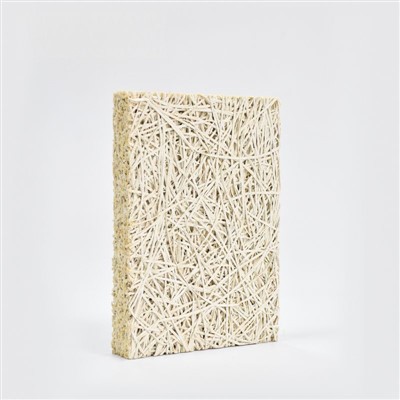
In the realm of interior design and acoustic management, the choice of materials plays a pivotal role in creating a comfortable and functional space. One such material that has gained significant attention in recent years is wooden acoustic panels. As a supplier of wooden acoustic panels, I often receive inquiries about their suitability for various environments, including waiting rooms. In this blog post, I will delve into the question: Can wooden acoustic panels be used in a waiting room? Wooden Acoustic Panels
The Importance of Acoustics in a Waiting Room
A waiting room is a space where people gather to await their turn for a service, whether it’s at a doctor’s office, a dental clinic, a government agency, or a corporate reception area. In such a setting, a pleasant acoustic environment is crucial for several reasons.
Firstly, excessive noise can cause stress and discomfort for the waiting individuals. People are more likely to feel relaxed and at ease in a quiet and peaceful waiting area. High levels of noise, such as the chatter of other waiting people, the sounds of office equipment, or the noise from outside, can be distracting and increase anxiety levels.
Secondly, good acoustics are essential for clear communication. In a waiting room, there may be announcements, conversations between staff and customers, or instructions being given. If the acoustics are poor, these communications can be difficult to hear, leading to misunderstandings and frustration.
Finally, a well – designed acoustic environment can enhance the overall perception of the facility. A waiting room with good acoustics gives an impression of professionalism, quality, and attention to detail, which can positively impact the customers’ experience.
Why Wooden Acoustic Panels?
Wooden acoustic panels offer several advantages that make them a suitable choice for waiting rooms.
Aesthetic Appeal
Wood has a natural warmth and beauty that can enhance the visual appeal of any space. In a waiting room, where creating a welcoming and comfortable atmosphere is important, wooden acoustic panels can add a touch of elegance. They can be stained or finished in a variety of colors to match the existing interior design scheme, whether it’s a modern, minimalist look or a more traditional style.
Acoustic Performance
Wooden acoustic panels are effective in reducing echo and reverberation in a room. When sound waves hit the panels, the porous structure of the wood absorbs the energy of the sound, preventing it from bouncing back and forth in the room. This results in a quieter and more pleasant acoustic environment. The panels can be designed to target specific frequencies, depending on the needs of the waiting room. For example, if there is a lot of low – frequency noise from outside traffic, panels can be engineered to absorb these frequencies more effectively.
Sustainability
In today’s environmentally conscious world, sustainability is an important consideration. Wood is a renewable resource, and many wooden acoustic panels are made from sustainably sourced materials. By choosing wooden acoustic panels for a waiting room, the facility can demonstrate its commitment to environmental responsibility. Additionally, wood has a lower carbon footprint compared to some other building materials, making it a more eco – friendly option.
Durability
Wooden acoustic panels are generally durable and can withstand the wear and tear of a busy waiting room. They are resistant to scratches and dents, and with proper maintenance, they can last for many years. This makes them a cost – effective long – term investment for the facility.
Installation and Design Considerations
When using wooden acoustic panels in a waiting room, there are several installation and design considerations to keep in mind.
Placement
The placement of the panels is crucial for optimal acoustic performance. They should be installed on the walls and ceilings where sound reflection is most likely to occur. For example, in a rectangular waiting room, panels can be installed on the long walls and the ceiling to reduce echo. It’s also important to consider the layout of the furniture in the room. Panels should not be blocked by large pieces of furniture, as this can reduce their effectiveness.
Panel Size and Shape
The size and shape of the wooden acoustic panels can also affect their performance. Larger panels generally have a greater absorption capacity, but they may not be suitable for all waiting room layouts. Smaller panels can be used to create a more decorative effect, while still providing acoustic benefits. The shape of the panels can also be customized, such as using curved panels to add a unique design element to the waiting room.
Integration with Other Design Elements
Wooden acoustic panels should be integrated seamlessly with other design elements in the waiting room. This includes the lighting, furniture, and color scheme. For example, the panels can be backlit to create a soft, ambient glow, or they can be used as a backdrop for artwork or signage. By integrating the panels with the overall design, the waiting room can have a cohesive and aesthetically pleasing look.
Case Studies
To illustrate the effectiveness of wooden acoustic panels in waiting rooms, let’s look at a few case studies.
A Dental Clinic Waiting Room
A dental clinic was experiencing high levels of noise in its waiting room, which was causing discomfort for patients. The clinic decided to install wooden acoustic panels on the walls and ceiling. After the installation, the noise level was significantly reduced, and patients reported feeling more relaxed and at ease. The warm and natural look of the wood also added to the overall comfort of the waiting area.
A Corporate Reception Area
A large corporation wanted to improve the acoustics in its reception area to enhance the customer experience. Wooden acoustic panels were installed in a modern, minimalist design. The panels not only reduced echo and noise but also added a touch of sophistication to the space. The reception area now provides a quiet and professional environment for visitors.
Maintenance of Wooden Acoustic Panels
Maintaining wooden acoustic panels in a waiting room is relatively straightforward. Regular dusting with a soft cloth is usually sufficient to keep the panels clean. If there are any stains or marks, a mild wood cleaner can be used. It’s important to avoid using abrasive cleaners or harsh chemicals, as these can damage the wood.
Conclusion
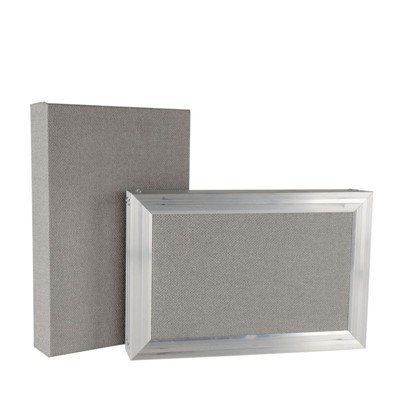
In conclusion, wooden acoustic panels can be an excellent choice for a waiting room. They offer aesthetic appeal, effective acoustic performance, sustainability, and durability. By carefully considering the installation and design, as well as proper maintenance, wooden acoustic panels can create a comfortable, quiet, and visually appealing waiting environment.
Sound Insulation Materials If you are interested in exploring the use of wooden acoustic panels for your waiting room or any other space, I encourage you to reach out to me. I am happy to discuss your specific needs, provide samples, and offer professional advice on the best solutions for your project. Let’s work together to create a space that combines functionality and beauty.
References
- "Acoustics for Architects" by Philip J. Davis
- "Wood Handbook: Wood as an Engineering Material" by Forest Products Laboratory
- "Interior Design: A Foundation Course" by Francis D. K. Ching
Guangzhou MQ Acoustic Materials Co., Ltd.
Guangzhou MQ Acoustic Materials Co., Ltd. is one of the most professional wooden acoustic panels manufacturers and suppliers in China, featured by quality products and low price. Welcome to buy CE approved wooden acoustic panels in stock here and get quotation from our factory. We also accept customized orders.
Address: Room D403, KeZhu Business Building, ZhuJi Road, TianHe District, GuangZhou, China
E-mail: Lizzy@mq-acoustics.com
WebSite: https://www.acoustic-projects.com/
