If you’ve ever worked with fiber optics—whether you’re a network installer, a small business owner upgrading your office, or just someone curious about how your internet gets to your home—you’ve probably run into two main types of fiber cables: indoor and outdoor. A question I get all the time as an indoor fiber cable supplier is: can I just use the stuff I have inside my building for outdoor work? It sounds like a no-brainer, right? Grab a spool of indoor cable you already have, run it across a yard, and save a few bucks on not having to buy outdoor cable. But here’s the thing: it’s not that simple, and cutting corners here can lead to way bigger problems down the line. Indoor Optical Fiber Cable

First, let’s break down what makes indoor fiber different from outdoor. Indoor cable is designed for one thing: safe, dry, indoor spaces. Think office hallways, server rooms, or the walls between your cubicles. The core of indoor fiber is usually a single or bundle of glass strands, wrapped in a tight buffer (that’s the plastic layer right around the glass). Then there’s the jacket—the outer cover you touch—and for indoor, that’s almost always something like PVC. PVC is cheap, flexible, and fire-resistant for indoor use (it meets strict fire codes for buildings with lots of people, so it won’t release toxic fumes if there’s a blaze). But that’s where the benefits end for outdoor.
Outdoor fiber cable? It’s built to fight the elements. First, its jacket is way tougher. You won’t find PVC here. Most outdoor cables use polyethylene (PE) or LSZH that’s rated for UV exposure, extreme temperatures, and even moisture. Wait, UV is a big one—sunlight breaks down plastic over time. Indoor PVC has zero UV resistance. Leave it out for a summer, and that jacket will crack, split, and crumble. Next, moisture. Indoor cable is sealed to keep water out? Sort of. It’s usually not fully water-tight. Outdoor cable has gel or water-swellable fibers inside the buffer that stop water from wicking along the length of the cable. If you run an indoor cable across a lawn that gets rained on, or bury it (which is another common outdoor use), water will seep into the ends, get trapped between the buffers, and eventually cause signal loss. Oh, and temperature. Indoor cables are rated for narrow temp ranges—usually like -10°C to 60°C. If you live in a place that drops below -20°C in winter, or hits 100°F in the summer, that indoor cable will get stiff in the cold and soft in the heat, both of which damage the tiny glass strands inside, leading to dropped connections and slow speeds.
But wait—let’s not say it’s never done. I’ve seen installers cut corners in a pinch, like running a short length of indoor cable from a house to a detached garage where it’s only exposed for a week. But even then, that’s a temporary fix, not a permanent one. I had a customer last year who tried to run 50 feet of our indoor cable between his shop and his storage unit. Three months later, the jacket cracked from sun exposure, water got in, and his internet cut out during a busy holiday weekend when he couldn’t process orders. He had to pay extra to rip out the indoor cable and install outdoor, plus miss out on sales. That’s the kind of mistake people make when they skip reading the specs and go with the cheaper option.
Another key point: durability against physical damage. Outdoor cable needs to stand up to being stepped on, run over by lawnmowers, buried under yards (direct burial), or strung between poles (aerial installation). Indoor cable is thin, flexible, and made to hang in neat runs, not take hits. If you run it aerial, it might stretch too much in the wind, or get tangled in branches. Bury it? It’s not armored. Outdoor cable often has steel armor or ripcords that protect it from being nicked by shovels or rodents. Indoor cable has none of that. Rodents? They love to chew on plastic, and if a mouse gets to an indoor cable left outside, it’ll gnaw through the jacket and the fiber itself in no time.
Now, let’s talk about the science of signal loss. Fiber works by bouncing light along the glass core, and any damage to that glass or interference will make that signal weaker. Indoor buffer layers are tight—they hug the glass super close to keep it stable indoors. But when the cable bends a lot (which happens when it’s outside, over uneven ground or around poles), that tight buffer can cause micro-bends in the glass. Those tiny bends mess with the light signal, leading to attenuation (that’s the fancy term for signal loss). Outdoor cable is designed with looser buffers or gel-filled cores that reduce micro-bends, so the signal stays strong even when the cable bends outdoors.
I know, I know—indoor cable is way more accessible. Most of our customers pick up spools for office renovations, small network upgrades, etc., so if you’re in a pinch, it’s tempting to grab that. But here’s the thing: outdoor cable isn’t that much more expensive, and the long-term costs are way lower than fixing a failed connection. I’ve had installers tell me they saved $50 upfront by using indoor cable, only to spend $500 on service calls and downtime. That’s a no-brainer for anyone who’s got skin in the game.
Wait, but are there any exceptions? Let’s be real—technology evolves, and sometimes brands make “indoor/outdoor” hybrid cables. Those are a thing, and they’re different from regular indoor. They have a UV-resistant jacket, water-blocking properties, and are built to handle outdoor conditions. But those are specifically labeled as such, and they’re not the same as the indoor cable I sell. If someone says “this works both inside and out,” that’s a different product—make sure you’re not confusing that with standard indoor cable.
Another mistake people make: running indoor cable through a conduit that’s exposed outdoors. Even if the conduit is supposed to protect it, over time, the conduit can let moisture or sun get in, and the indoor cable inside will still degrade. Conduits are a good extra layer, but the cable itself still needs to be outdoor-rated to pair with it.
As an indoor fiber cable supplier, I’m not here to say indoor cable is useless—it’s perfect for what it’s designed for. It’s easy to install, meets building codes for fire safety indoors, and is way more affordable for indoor runs. But when you cross that threshold from inside a building to outside—whether it’s across a patio, between outbuildings, or buried in a yard—you need to use the right cable. Using indoor cable outdoors is a shortcut that almost always comes back to bite you.
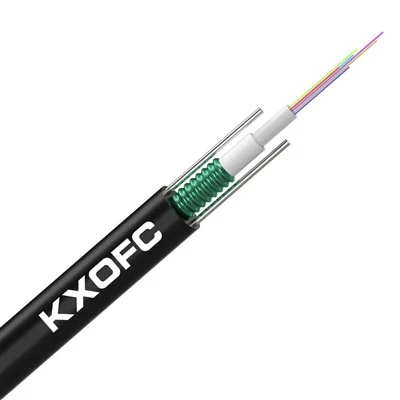
I’ve worked with hundreds of installers and small business owners over the years, and the ones who stick to the specs are the ones who have fewer service calls, happier clients, and way less stress. If you’re planning an outdoor fiber run, don’t cut corners on the cable. Reach out to my team, we can help you figure out exactly what you need—whether it’s direct burial, aerial, or a short run for a garage. We’ve got all the outdoor options, and we can make sure you get the right product for the job, no guesswork. Don’t let a few dollars saved on indoor cable turn into a costly headache.
Non-metal Dielectric Optical Cable References:
- Fiber Optic Association. (2022). Fundamental Differences Between Indoor and Outdoor Fiber Optic Cables. FOA Publications.
- International Electrotechnical Commission. (2021). IEC 60794-1: Optical Fibre Cables – Part 1: Generic Specification.
- Telecommunications Industry Association. (2020). TIA-568-C.0: Generic Telecommunications Cabling Standard.
- Corning Incorporated. (2019). Outdoor Fiber Cable Design and Performance Guidelines. Corning Cable Systems Technical Library.
Hangzhou Lin’an Kexin Optical Cable Co., Ltd.
As one of the most professional indoor optical fiber cable manufacturers and suppliers in China, we’re featured by quality products and good price. Please rest assured to wholesale discount indoor optical fiber cable made in China here and get pricelist from our factory. Customized orders are welcome.
Address: No. 28 Linglong Street,Lin’an Area, Hangzhou City, Zhejiang Province, China
E-mail: sales@kexincable.com
WebSite: https://www.kexincable.com/
