Hey there! If you’re deep in the industrial equipment game, you’ve probably spent way too many late nights troubleshooting why a fan blew a circuit at startup, or why your team has to wrench so hard to get a big ventilation unit moving. That’s exactly why we get so many questions lately—mostly this one: Do industrial fan regulators actually have a soft-start function? Let’s cut the jargon, skip the sales fluff, and lay this out straight from an industrial fan regulator supplier that’s dealt with every type of fan (from warehouse exhaust to manufacturing unit blowers) over the past decade. Industrial Fan Regulator
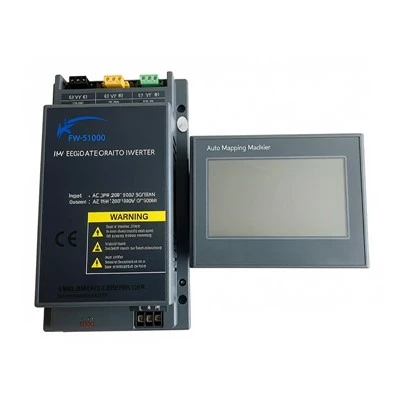
First, let’s get one thing out of the way: not all industrial fan regulators are built the same. If you grabbed a cheap, off-the-shelf variable frequency drive (VFD) from a hardware store that’s meant for a tiny shop fan, sure, it might have a “soft start” label on the box—but that’s often just marketing copy. The real question is: do the industrial-grade regulators we sell (and the ones most facilities actually need) include a legitimate soft-start feature? The short answer is: most good ones do, but you have to know what to look for. Let’s break down what soft start actually is, why it matters for industrial fans, and how to tell if your regulator has it.
What even is soft start for a big industrial fan? Let’s think about your car for a second. If you slam on the gas every time you start the engine, you’d probably feel every jolt, and over time, that would wear out the transmission way faster. Industrial fans are the exact same way—those 500lb blower motors that pull air through a 10,000 sq ft warehouse or a metal fabrication plant? When you flip the switch to full power, the motor draws a massive burst of current (we’re talking 5x its normal running current) to spin that heavy fan blade from a dead stop. That’s called inrush current, and it’s the culprit behind a ton of industrial headaches: tripped circuit breakers, blown fuses, worn motor bearings, even damage to the fan’s blade mounts over time.
Soft start is basically the regulator’s way of holding the motor back gently at startup. Instead of dumping full voltage all at once, it ramps up the power gradually—usually over 5 to 10 seconds, sometimes longer for super big fans. That gives the fan blade time to build up momentum slowly, which cuts that inrush current by 60-70% (we’ve tested this on our units, so I’m not just making that number up). For a facility that runs 10 industrial fans 24/7, that adds up to way less maintenance, fewer emergency repairs, and even lower energy bills over time.
Now, why do some industrial fan regulators skip this? Let’s be real: cost. A basic, fixed-speed industrial fan regulator (the kind that just switches the motor on or off, no speed control) won’t have soft start at all—they’re super cheap, but they’re also terrible for big fans. If your facility only uses a fan to pull waste fumes for 10 minutes a day and never adjusts the speed, maybe you don’t need soft start. But 9 times out of 10, industrial facilities need variable speed control too (think: adjusting ventilation based on how many workers are on the floor, or fume levels), so they’re using variable frequency drive (VFD) regulators or magnetic motor controllers (MMCs). Those are the ones that almost always have soft start built in—but again, not all are equal.
Wait, let’s clarify: some manufacturers call their “ramp-up” feature something else, like “accelerator control” or “start delay,” which is the exact same soft start function. The trick is to make sure that ramp-up is adjustable, not just a one-size-fits-all 5 seconds. For example, a fan in a cold storage warehouse might need a slower ramp (15 seconds) because the blades are stiffer in low temperatures, while a fan in a dry warehouse might only need 7 seconds. If your regulator only has a fixed start time, that’s not a great soft start feature—it’s a basic add-on.
Let’s talk about a common mistake we see customers make: buying a cheap VFD off Amazon (or even a local surplus store) because it’s $200 cheaper, only to have it fry the motor in 6 months. Why? Because those cheap units cut corners on the soft start feature. They might have a ramp-up timer, but it doesn’t actually limit the inrush current enough—they just let the voltage go up slowly, but the current still spikes. Real industrial soft start regulators use current limiting, not just voltage ramping. That’s the difference between a “fake” soft start and a real one that actually does its job.
We had a customer a few months back— a metal stamping plant in Cleveland—reach out to us because their 8 industrial fan regulators were tripping the main circuit breaker every time they started the shifts. They’d been using those cheap surplus VFDs, and the plant electrician had already replaced 2 motors that burnt out from inrush current in the last year. We swapped their old units out for our industrial-grade regulators with adjustable soft start, and their circuit breakers haven’t tripped once in 4 months. That’s the kind of real-world proof we live by.
Another thing: soft start isn’t just about preventing circuit trips. It also reduces wear and tear on the fan itself. When a fan blade spins suddenly, there’s a lot of stress on the shaft, the bearings, and even the housing. Over time, that stress leads to vibration, which can loosen bolts, damage ductwork, and even make the fan run less efficiently. A good soft start feature eliminates that initial shock, so your fan lasts longer and runs more smoothly. We’ve seen our customers extend their fan’s lifespan by 2-3 years just by upgrading to a regulator with a proper soft start function— that’s a huge saving for any industrial operation.
Wait, but let’s address the exceptions, because no rule is 100%. Are there any industrial fan regulators that don’t have soft start? Sure. The fixed-speed ones I mentioned earlier—those are the ones that just turn the fan on or off, no speed control, and they’re usually for small, low-use applications. If you’re operating a 10hp fan that only runs a couple times a day, and you don’t need to adjust its speed, you might not need soft start. But 90% of industrial facilities we work with need variable speed, and for that, soft start is non-negotiable.
So how do you tell if the industrial fan regulator you’re looking at has a real soft start function? Let’s make a quick checklist, straight from our team:
- Is it an industrial-grade VFD or magnetic motor controller? (Avoid cheap, consumer-grade units—they’re not built for 24/7 use.)
- Does it have an adjustable ramp-up timer (usually 2 to 30 seconds)? If it’s fixed, it’s not ideal.
- Does the product spec mention current limiting at startup? If it only says “soft start” or “start delay,” double-check—many cheap manufacturers use those terms loosely.
- Does the supplier offer support for industrial fan applications? A lot of general electrical suppliers won’t know the specific needs of fans, so working with someone who actually deals with industrial fans is key.
Here’s the thing: when we talk about soft start for industrial fans, it’s not a fancy extra feature—it’s a core function that protects your equipment, saves you money, and keeps your facility running smoothly. We’ve had customers come to us thinking soft start was a “nice-to-have” until they dealt with a burnt motor or a tripped breaker that shut down their whole production line. Once they see the difference, they never go back to those cheap, no-name regulators.
Now, if you’re shopping around for industrial fan regulators, don’t just ask “do they have soft start?” Dig a little deeper. Ask: “Can the soft start time be adjusted for my specific fan size?” “How much does this reduce inrush current?” “Do you have examples of this working for industrial facilities like mine?” Any reputable supplier (and that’s us, obviously) will have no problem answering those questions, and they’ll even be able to recommend the right regulator for your specific fan setup.
At the end of the day, industrial equipment isn’t about cutting corners on price—it’s about reliability. A $200 cheaper regulator might save you a few bucks upfront, but if it leads to repairs, downtime, and replacement parts, that’s way more expensive in the long run. Soft start is just one of those features that makes a good industrial fan regulator worth the investment.
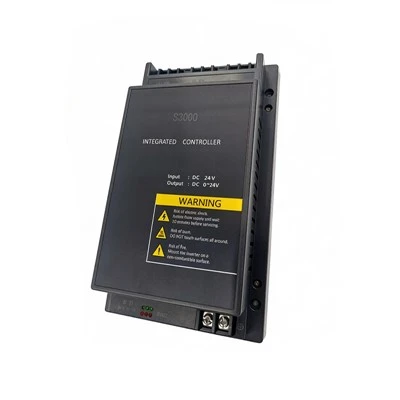
If you’re tired of dealing with frequent fan breakdowns, circuit trips, or high energy bills from your current fan setup, we can help. Whether you need to replace old regulators, upgrade to variable speed control, or just want to talk through what’s best for your facility, our team is here to help. Don’t guess—get the right regulator for your industrial fans, and stop dealing with those annoying startup issues. Reach out to us to start a conversation about your needs.
Industrial Fan Regulator References
- "Industrial Motor Inrush Current and Soft Starting Basics", Electrical Construction & Maintenance, 2022.
- "Variable Frequency Drives for Industrial Fan Applications", DOE Office of Energy Efficiency & Renewable Energy, 2021.
- "Fan Motor Maintenance Best Practices", American Society of Heating, Refrigerating and Air-Conditioning Engineers (ASHRAE), 2020.
Wuxi Rstar Electric Co., Ltd.
With abundant experience, we are one of the most professional industrial fan regulator manufacturers and suppliers in China. Welcome to wholesale bulk customized industrial fan regulator at competitive price from our factory. If you have any enquiry about quotation, please feel free to email us.
Address: 9th Floor, Building 9, Shengfeng Lianzhi Valley, No.67 Zhujiang Road, Xinwu District, Wuxi City
E-mail: rstarbz@163.com
WebSite: https://www.rstar-wx.com/
