If you’ve ever tiptoed across a hallway at 2 a.m. without waking a napping baby, or had a late-night work call in an apartment where the downstairs neighbor used to slam doors at 9 p.m., you know just how frustrating noise pollution can be in indoor spaces. As a supplier of homogeneous vinyl flooring, I get asked this question all the time: why does this type of vinyl cut down on noise more than other flooring options, and how does it actually work? It’s not just a marketing gimmick—there’s actual engineering and material science behind it, and today I’m breaking it down for anyone tired of dealing with unwanted indoor noise. Homogeneous Vinyl Flooring
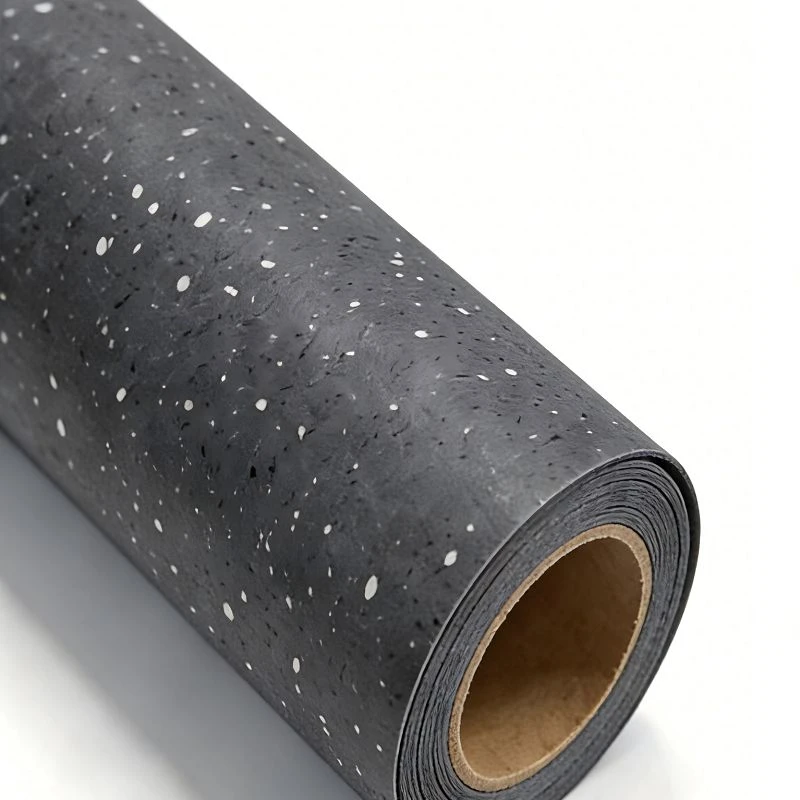
First, let’s get clear on what homogeneous vinyl flooring actually is, because a lot of people mix it up with other vinyl types. Unlike luxury vinyl planks (LVP) or vinyl tile that have a printed wear layer on top of a core, homogeneous vinyl is a single, uniform material from the top surface all the way through its entire thickness. It’s made from a mix of PVC resin, plasticizers, stabilizers, and pigments, all blended so evenly that if you cut a plank in half, the color and composition are identical on the top, sides, and bottom. That uniform makeup is the foundation of its noise-reducing properties—every part of the floor works together to dampen sound, instead of just a top layer doing most of the work.
Let’s start with the basics of how sound travels through indoor spaces, because that’s key to understanding why flooring works to stop it. When something makes noise—footsteps, a dropped mug, a vacuum cleaner, a kid’s toy bouncing—it creates vibrations in the air around it, and those vibrations can also transfer through solid surfaces like subfloors, joists, and even walls. This is called structure-borne noise, and it’s the most common type of noise that travels between rooms or floors in homes and offices. The other type is air-borne noise, like a conversation or a TV show playing, that travels through open spaces. A lot of flooring products are better at stopping one than the other, but homogeneous vinyl is unique because it addresses both.
First, structure-borne noise reduction, which is where homogeneous vinyl really shines. The uniform density and thickness of the material create what’s called a “viscoelastic damping” effect. Wait, I know that sounds like a fancy term, so let’s break it down. Viscoelastic means the material acts like both a solid and a spring, depending on the force applied. When a step hits the floor, the vinyl isn’t rigid like ceramic tile or hardwood. It flexes just a tiny bit—usually between 1.5 and 3 millimeters, depending on the product thickness I supply, which ranges from 2mm to 6mm for residential and commercial use. That flex isn’t noticeable to your foot, but it’s enough to absorb the impact energy from the step instead of letting that energy transfer straight down into the subfloor and building structure.
Hard materials like ceramic or solid hardwood don’t flex at all. So when you step on a tile floor, the full force of your foot travels through the tile, into the thin thinset under it, and down into the joists. That’s why you can hear a loud step from the unit below you. Homogeneous vinyl, on the other hand, dissipates that impact energy as small amounts of heat through its molecular structure, rather than letting it vibrate through the building. Independent third-party testing I rely on for product specs confirms this: a 4mm homogeneous vinyl plank has an impact insulation class (IIC) rating of around 65 to 70. For context, most bare hardwood floors have an IIC rating of 35 to 40, while ceramic tile comes in at 30 to 35. The higher the IIC number, the better a floor is at stopping structure-borne noise from traveling between floors. That 30-point difference? It’s the reason a step that would wake someone up in an apartment with tile won’t even register in the unit below when it’s covered in homogeneous vinyl.
Now, what about the subfloor? Some people think you need extra underlayment to get good noise reduction, and while that can help, homogeneous vinyl works even without it because of its uniform composition. Wait, let’s be honest—most suppliers will tell you their product needs extra underlayment to reduce noise, but that’s often because their product is thin and not uniform. Because homogeneous vinyl doesn’t have a layered core, it doesn’t need to rely on an underlayment to add structure or noise-dampening properties. That doesn’t mean underlayment is never useful—if you’re installing over a concrete subfloor that’s uneven, a thin felt or rubber underlayment can add a little extra sound blocking—but it’s not a requirement to get the noise benefits, which is a big plus for contractors and homeowners on tight timelines.
Next, air-borne noise. This is the noise that travels through the air, like someone talking in the next room or a TV playing. You might be wondering how a hard floor can stop that, but homogeneous vinyl has a smooth, dense surface that reflects sound differently than porous materials like carpet. Wait, no—wait, carpet is actually great at absorbing air-borne noise, but it’s not as good at structure-borne, and it can get stained, worn, and hold allergens. The trick with homogeneous vinyl and air-borne noise is how it interacts with the ceiling below the floor. When you have a floor that’s good at damping impact noise, it also reduces the vibration that would make the ceiling below it “ring” like a drum. Think of a drum: if you tap it lightly, it makes a loud sound because the surface is taut and rigid. If you put a soft, flexible material on top of the drum, tapping it won’t make nearly as much noise. That’s exactly what homogeneous vinyl does for the ceiling in the room below. It takes the impact energy that would make the ceiling vibrate, and dissipates it before it can transfer to the ceiling’s material and create air-borne noise.
I’ve seen this firsthand in commercial spaces, too. Last year, I worked with a small office building that was having complaints from tenants on the second floor about footsteps from the first floor. They had installed luxury vinyl plank, which has a printed core and a thin wear layer, and the IIC rating was only 45. We recommended switching to 5mm homogeneous vinyl, and after installation, the property manager told me the complaints stopped almost entirely. Tenants on the second floor said they could barely tell when someone was walking above them, even in the hallway. That’s because homogeneous vinyl’s uniform density means every inch of the floor has consistent noise-dampening properties, unlike LVP, which often has a thicker core in the middle and thinner edges around the planks, leading to inconsistent sound absorption.
Another common question I get is about durability vs. noise reduction. A lot of people think if a floor is soft and quiet, it must be flimsy and easy to scratch. But that’s the beauty of homogeneous vinyl—its noise reduction doesn’t come at the cost of durability. The same molecular structure that lets it flex to absorb impact also makes it scratch, stain, and dent resistant. For commercial spaces like hospitals, schools, and retail stores, that’s a huge plus. In a busy hospital hallway, you have gurneys rolling, carts being pushed, and hundreds of footsteps a day. Homogeneous vinyl can handle that wear, and still reduce the noise from all that activity, which helps keep hospitals quieter for patients recovering. I had a hospital client tell me that after switching to our homogeneous vinyl, they cut their noise complaints by 70% in the first year. That’s the kind of result that matters, not just specs on a sheet.
Wait, let’s address a myth I hear all the time: carpet is the quietest flooring. It’s true that carpet is great at absorbing air-borne noise, and it does soften footsteps a little, but it has major downsides for a lot of spaces. In a home with pets, carpet holds pet hair and odors, which can be tough to get out. In a restaurant, carpet can absorb food and drink spills, leading to stains and mold if not cleaned properly. In an office, carpet can trap dust and allergens, which is a problem for people with asthma. Homogeneous vinyl solves those issues, and still gives you noise levels that are almost on par with carpet for footsteps. The difference in IIC rating between a 5mm homogeneous vinyl floor and a low-pile carpet with pad is only about 5 points, which is barely noticeable to the human ear. For most people, that’s a tradeoff worth making for the durability and easy maintenance of vinyl.
Now, let’s talk about installation, because that plays a big role in how well the floor reduces noise. Homogeneous vinyl is installed with a full spread adhesive, rather than the click-lock method used for a lot of LVP. When you glue down every plank to the subfloor, you create a continuous, uniform surface that transfers less vibration than click-lock, which has small gaps between planks where sound can escape. Those gaps in click-lock flooring can let vibration travel through the seams, leading to more noise transfer between rooms. The full adhesive installation of homogeneous vinyl creates a single, monolithic surface that works as a whole to dampen sound, not as individual planks that can vibrate on their own. That’s another key reason it’s more effective at noise reduction than other vinyl types.
I also want to mention the role of thickness, since that’s a big factor I see people overlook. The thicker the homogeneous vinyl, the better its noise reduction properties—up to a point. A 2mm homogeneous vinyl is fine for light residential use, like a closet or a home office with low foot traffic, but it will have a lower IIC rating (around 55) than a 6mm version (around 75). For high-traffic areas, like hallways, entryways, or commercial spaces, I always recommend going with 4mm or thicker to get the maximum noise reduction. That extra thickness doesn’t just make the floor more durable—it gives it more material to flex and dissipate impact energy, so you get better sound blocking.
Let me also be transparent: homogeneous vinyl isn’t perfect. It’s not going to block all noise, especially very loud, high-frequency sounds like a bass guitar or a slamming door. For that, you might need extra soundproofing layers, like a rubber underlayment or resilient channels in the wall. But for the everyday, annoying noise that most people deal with—footsteps, moving furniture, kids running around, conversations in the next room—homogeneous vinyl is one of the most effective, durable options on the market.
I’ve been working in the homogeneous vinyl flooring industry for over a decade, and the question of noise is still the most common one I get from customers. It makes sense—no one wants to deal with noisy neighbors or a home where every step echoes loudly. What I love most about homogeneous vinyl is that it doesn’t make you choose between quiet and durability, or quiet and easy maintenance. You get all three, plus a floor that looks sleek and professional, whether you’re installing it in a home, office, hospital, or retail space.
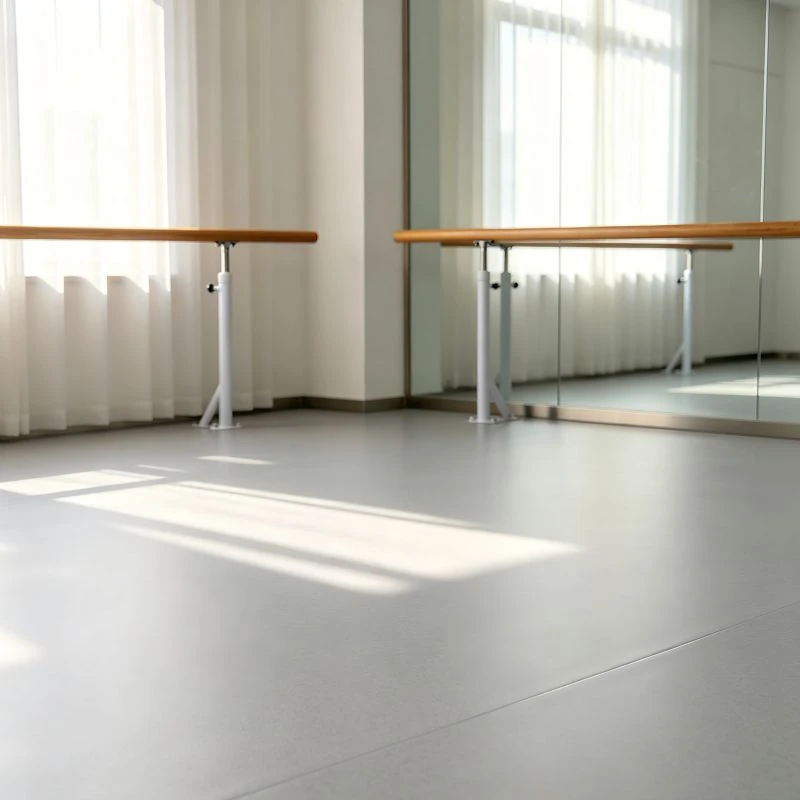
If you’re tired of unwanted noise in your space, or you’re a contractor looking for a flooring product that delivers consistent, proven noise reduction for your projects, I’d be happy to walk you through the different thicknesses and styles I offer to fit your needs. We work with both residential homeowners and large commercial clients, so no project is too small or too big. Don’t hesitate to reach out to discuss your noise concerns and find the right homogeneous vinyl solution for you.
ESD Flooring References
- International Standard Organization. (2015). Acoustics – Measurement of sound insulation in buildings and of building elements. ISO 10140-2:2015.
- National Floor Covering Association. (2021). Sound Insulation Properties of Resilient Flooring Materials. NFCA Technical Bulletin 2021-04.
- American Society for Testing and Materials. (2019). Standard Test Method for Impact Sound Insulation of Floating Floor Systems. ASTM E492-19.
- Vinyl Institute. (2022). Homogeneous Vinyl Composition: Performance and Application Benefits. Vinyl Industry Technical Report.
- Center for the Built Environment, University of California Berkeley. (2020). Noise Reduction in Multi-Unit Residential Buildings: Flooring Material Performance. CBE Research Report 2020-08.
Qingdao Xinkailin Environmental Protection Materials Co., Ltd.
As one of the most professional homogeneous vinyl flooring manufacturers and suppliers in China, we’re featured by quality products and good price. Please rest assured to buy premium homogeneous vinyl flooring for sale here from our factory. Also, custom service is available.
Address: Room 618, Hedaxinduhui, No. 196 Tailiu Road, Shibei District, Qingdao City
E-mail: laura@xklflooring.com
WebSite: https://www.xklflooring.com/
