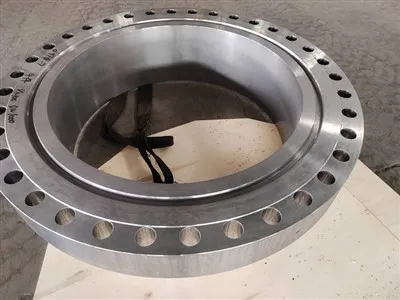
As a seasoned forging supplier, I’ve witnessed firsthand the evolution of forging equipment in the market. Over the years, technological advancements have led to the development of a wide range of tools and machines that are essential for the forging industry. In this blog, I’ll dive into the various types of forging equipment available today, their functions, and how they contribute to the production of high – quality forged products. Forging
Hammer Forging Equipment
One of the oldest and most traditional forms of forging equipment is the hammer. Hammers are used to deliver a high – energy blow to the metal workpiece, shaping it into the desired form. There are several types of hammers used in forging:
Power Hammers
Power hammers are mechanical or pneumatic – driven hammers. Mechanical power hammers use a flywheel and a connecting rod mechanism to generate force. They are known for their high impact energy and are suitable for large – scale forging operations. Pneumatic power hammers, on the other hand, use compressed air to drive the hammer head. They offer more control over the force of the blow and are often used for more precise forging tasks.
In our forging operations, power hammers are indispensable for shaping large, thick workpieces. They can quickly transform a solid block of metal into a rough – shaped component, reducing the amount of material that needs to be removed in subsequent machining processes.
Drop Hammers
Drop hammers work by lifting a heavy ram and then dropping it onto the workpiece. The ram can be lifted by mechanical, hydraulic, or pneumatic means. Drop hammers are used for a variety of forging tasks, from simple shaping to more complex die forging operations. They are capable of producing a wide range of forged products, including automotive parts, hand tools, and aerospace components.
Press Forging Equipment
Presses are another crucial type of forging equipment. Unlike hammers, which deliver a sudden impact, presses apply a continuous pressure to the workpiece over a period of time.
Mechanical Presses
Mechanical presses use a mechanical drive system, typically a crankshaft or a toggle mechanism, to generate force. They are known for their high speed and precision, making them ideal for mass – producing small to medium – sized forged parts. Mechanical presses can be single – action or double – action, depending on the number of slides they have. Single – action presses are used for simple forging operations, while double – action presses can perform more complex tasks, such as deep drawing and coining.
Hydraulic Presses
Hydraulic presses use hydraulic fluid to generate force. They offer several advantages over mechanical presses, including the ability to apply a constant pressure throughout the forging process, which results in more uniform deformation of the workpiece. Hydraulic presses can also generate very high forces, making them suitable for forging large and thick workpieces. They are commonly used in the production of heavy – duty industrial components, such as turbine shafts and large – scale construction parts.
CNC Presses
Computer Numerical Control (CNC) presses are a modern advancement in press forging technology. These presses are controlled by a computer, which allows for precise control of the forging process. CNC presses can be programmed to perform a variety of forging operations, including complex shape forming and multi – stage forging. They offer high repeatability and accuracy, reducing the likelihood of errors and improving the overall quality of the forged products.
Die Forging Equipment
Dies are an essential part of the forging process. They are used to shape the metal workpiece into the desired form. Die forging equipment includes the dies themselves as well as the machinery used to operate them.
Open – Die Forging Equipment
Open – die forging is a process in which the workpiece is shaped between two flat or simple – shaped dies. The dies do not completely enclose the workpiece, allowing for some movement and deformation. Open – die forging is typically used for large, simple – shaped components, such as shafts and bars. The equipment used in open – die forging includes hammers and presses, which are used to apply force to the dies.
Closed – Die Forging Equipment
Closed – die forging, also known as impression – die forging, is a more precise process in which the workpiece is completely enclosed within the dies. The dies have a negative impression of the final product, and the metal is forced to fill this impression. Closed – die forging is used for producing complex – shaped parts with high dimensional accuracy, such as automotive engine components and aerospace parts. The equipment for closed – die forging includes high – tonnage presses and specialized die – holding systems.
Heating Equipment
Before forging, the metal workpiece needs to be heated to a specific temperature range to make it more malleable. There are several types of heating equipment used in the forging industry:
Induction Furnaces
Induction furnaces use electromagnetic induction to heat the metal. They are known for their high efficiency and fast heating times. Induction furnaces can heat the metal very precisely, which is important for maintaining the quality of the forged product. They are commonly used for small to medium – sized workpieces and are suitable for a variety of metals, including steel, aluminum, and copper.
Gas – Fired Furnaces
Gas – fired furnaces use natural gas or propane as a fuel source to heat the metal. They are relatively inexpensive to operate and can heat large workpieces. Gas – fired furnaces are often used in large – scale forging operations, where a high volume of metal needs to be heated. However, they may not offer the same level of temperature control as induction furnaces.
Electric Resistance Furnaces
Electric resistance furnaces use electrical resistance to generate heat. They are suitable for heating metals to a consistent temperature and are often used for precision forging operations. Electric resistance furnaces are relatively easy to control and maintain, but they can be more expensive to operate compared to gas – fired furnaces.
Cooling and Finishing Equipment
After forging, the workpiece needs to be cooled and finished to achieve the desired properties and appearance.
Cooling Towers
Cooling towers are used to cool the forged components after the forging process. They help to control the cooling rate of the metal, which is important for determining its mechanical properties. Cooling towers can use water or air as a cooling medium, depending on the specific requirements of the forging process.
Grinding and Polishing Machines
Grinding and polishing machines are used to remove any surface imperfections and improve the finish of the forged components. They can be used to achieve a smooth, shiny surface on the metal, which is often required for aesthetic or functional reasons. These machines use abrasive materials, such as grinding wheels and polishing pads, to remove material from the surface of the workpiece.
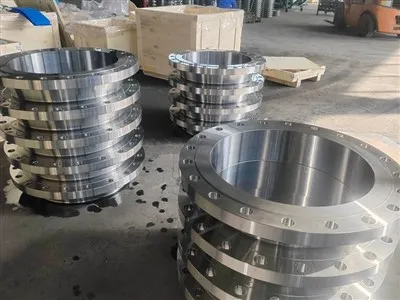
In conclusion, the forging industry relies on a diverse range of equipment to produce high – quality forged products. Each type of equipment plays a specific role in the forging process, from heating the metal to shaping it and finishing the final product. As a forging supplier, we understand the importance of using the right equipment for the job. We invest in the latest technology and continuously upgrade our equipment to ensure that we can meet the evolving needs of our customers.
As 2129 Flange If you’re in the market for high – quality forged products or have any questions about our forging capabilities and the equipment we use, we’d love to hear from you. Contact us to start a conversation about your forging requirements and let’s work together to bring your projects to life.
References
- "Forging Technology" by George E. Dieter
- "Handbook of Forging" by Robert L. Kauffman
- "Metal Forming: Processes and Applications" by Rajagopal R. and Kalpakjian S.
Shanxi Xinshunda Flange Manufacturing Co., Ltd.
As one of the most professional forging manufacturers and suppliers in China, we also support customized service with competitive price. We warmly welcome you to wholesale high quality forging for sale here from our factory. For quotation, contact us now.
Address: Zhunagli Industrial Zone,jinchang Town,dingxiang,shanxi,china
E-mail: sales01@xinflange.com
WebSite: https://www.xinflange.com/
