Matching wall panel trim to your wall color is an art that can significantly enhance the aesthetic appeal of any space. As a wall panel trim supplier, I’ve had the privilege of witnessing firsthand how the right combination can transform a room from ordinary to extraordinary. In this blog, I’ll share my insights and practical tips on how to achieve the perfect match for your wall panel trim and wall color. Wall Panel Trim

Understanding Color Theory Basics
Before delving into the process of matching wall panel trim to wall color, it’s essential to have a basic understanding of color theory. Colors can be classified into three main categories: primary, secondary, and tertiary. Primary colors are red, blue, and yellow, and they cannot be created by mixing other colors. Secondary colors are green, orange, and purple, which are formed by mixing two primary colors. Tertiary colors are created by mixing a primary color with a neighboring secondary color.
Color schemes play a crucial role in interior design. Some of the most common color schemes include monochromatic, analogous, complementary, and triadic. A monochromatic color scheme uses different shades and tints of a single color, creating a harmonious and sophisticated look. Analogous color schemes use colors that are adjacent to each other on the color wheel, such as red, red – orange, and orange. This scheme provides a sense of unity and continuity. Complementary color schemes use colors that are opposite each other on the color wheel, like blue and orange. These schemes create a high – contrast and dynamic effect. Triadic color schemes use three colors that are evenly spaced on the color wheel, for example, red, yellow, and blue, which offer a balanced and vibrant look.
Factors to Consider When Matching
Room Function
The function of the room is a significant factor in determining the color combination of wall panel trim and wall color. For instance, in a bedroom, you might want to create a calm and relaxing atmosphere. Soft, muted colors such as pastels or earth tones are often a good choice for the walls. For the wall panel trim, a lighter or slightly darker shade of the same color family can create a subtle and soothing effect. In a home office, you may prefer a more stimulating environment. Bright, energetic colors like blues or greens on the walls can enhance focus, and a white or light – colored trim can add a clean and professional look.
Lighting Conditions
The amount and type of lighting in a room can greatly affect how colors appear. In a room with plenty of natural light, colors tend to look brighter and more vivid. You may be able to use bolder colors for both the walls and the trim. For example, a sunny living room could handle a deep blue wall with a white or cream trim, as the natural light will prevent the room from feeling too dark. In contrast, a room with limited natural light may require lighter colors to avoid a cave – like effect. A light gray wall with a white trim can make a small, dimly lit room feel more spacious and airy. Additionally, artificial lighting sources, such as warm incandescent bulbs or cool LED lights, can also change the perceived color of the walls and trim.
Existing Decor
The existing decor in the room should also be taken into account. If you have furniture, curtains, or other decorative elements with prominent colors, you’ll want to choose wall and trim colors that complement them. For example, if you have a large piece of artwork with a lot of green in it, using a green – related color scheme for the walls and trim can tie the room together. Another approach is to use the trim color to pick up on a secondary or accent color in the decor. If your sofa has a pattern with a hint of yellow, a yellow – toned trim can add a subtle but cohesive touch to the room.
Matching Techniques
Monochromatic Match
A monochromatic color match is one of the simplest and most elegant ways to pair wall panel trim with wall color. This involves using different shades or tints of the same color. For example, if you choose a medium – gray wall color, you can use a lighter gray for the trim. This creates a sense of depth and sophistication without being overly flashy. To achieve this, start by selecting your base wall color. Then, look for a paint or finish for the trim that is lighter or darker by a few shades. You can use a color chart provided by the paint manufacturer to find the appropriate shades. Monochromatic color schemes work well in both modern and traditional settings.
Complementary Match
Complementary color schemes can make a bold statement in a room. When using complementary colors for your wall and trim, you’ll create a high – contrast and visually striking look. For example, if you paint your walls a deep purple, you could use a bright yellow trim. However, it’s important to use this technique carefully, as too much contrast can be overwhelming. You might choose to use the complementary color more sparingly on the trim and keep the wall color as the dominant element. This can add a pop of color and make the room more interesting.
Analogous Match
Analogous color schemes are a great way to create a harmonious and relaxing atmosphere. Select colors that are adjacent to each other on the color wheel. For example, if your walls are painted a light blue – green, you could use a slightly darker or lighter shade of green or blue for the trim. This creates a seamless transition between the walls and the trim, giving the room a cohesive look. Analogous color schemes are versatile and can be used in a variety of styles, from coastal to rustic.
High – Contrast Black or White Trim
Black or white trim is a classic choice that can work with almost any wall color. Black trim can add a sense of drama and sophistication to a room. It looks particularly striking when paired with light – colored walls, such as white, beige, or pastel colors. White trim, on the other hand, offers a clean and timeless look. It can brighten up a room and make the walls and other elements stand out. Whether you choose black or white trim, it can serve as a frame for the walls and enhance the overall aesthetic of the space.
Practical Tips for Installation
Once you’ve chosen the perfect wall panel trim and wall color combination, proper installation is key to achieving the desired look. Here are some practical tips:
- Prepare the Surfaces: Make sure both the walls and the trim are clean, smooth, and free of any dirt, dust, or debris. If necessary, sand the surfaces to create a better adhesion for the paint or finish.
- Measure and Cut Accurately: Take accurate measurements of the walls and the areas where the trim will be installed. Use a sharp saw to cut the trim to the correct length and angles. Miter joints are commonly used for corners, and they should be cut precisely to ensure a seamless fit.
- Prime and Paint: Before installing the trim, it’s a good idea to prime and paint it. This can prevent the wood from absorbing moisture and warping. It also makes the painting process easier after installation. Apply a high – quality primer and then at least two coats of paint in the chosen color.
- Install with Care: Use the appropriate nails, screws, or adhesives to install the wall panel trim. Make sure it is securely attached to the walls and that the joints are tight. Fill any nail holes or gaps with wood filler and sand them smooth for a professional finish.
The Role of a Wall Panel Trim Supplier
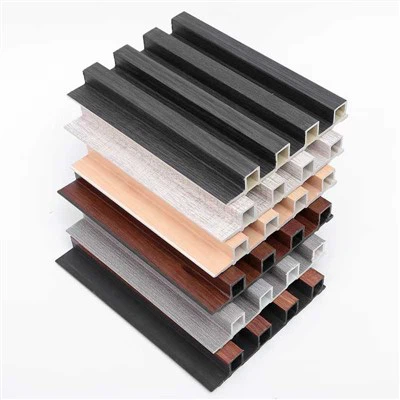
As a wall panel trim supplier, I understand the importance of providing high – quality products and excellent customer service. We offer a wide range of wall panel trim options in different materials, styles, and colors. Whether you’re looking for traditional wood trim, modern PVC trim, or something in between, we have you covered. Our team of experts can help you choose the right type of trim for your project and provide advice on color matching. We also ensure that our products are durable, easy to install, and meet the highest standards of quality.
Breathable Membrane If you’re interested in purchasing wall panel trim for your next project, I encourage you to reach out to us. We’re here to assist you in finding the perfect match for your wall color and creating a beautiful and functional space. Whether you’re a homeowner, a contractor, or an interior designer, we look forward to working with you to bring your vision to life.
References
- "Interior Color Design Basics" by Christine Bruner
- "Color Psychology in Interior Design" by Kayla C. Baum
- Various paint manufacturer color guides and brochures
Hangzhou Eastopo New Marterial Technology Co., Ltd.
As one of the most professional wall panel trim manufacturers and suppliers in China, we offer a wide range of products with superior quality. Please rest assured to wholesale custom made wall panel trim from our factory. Good service and reasonable price are available.
Address: Room 304-20, Block B, Building 1,2,3&4, Kaixuan Jinniu Fang, Shangcheng District, Hangzhou, Zhejiang, China.
E-mail: mj@eastopo.com
WebSite: https://www.eastopo.com/
