Hey there! As a contactor supplier, I often get asked this question: When should a contactor be used instead of a circuit breaker? Well, let’s dive right into it and break down the differences and the scenarios where a contactor is the better choice. Contactor
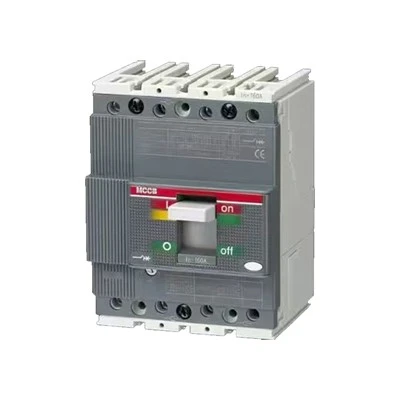
First off, let’s understand what a contactor and a circuit breaker are. A circuit breaker is like the bodyguard of your electrical circuits. It’s designed to protect the circuit from overcurrents, short – circuits, and other electrical faults. When there’s an abnormal current situation, it trips and breaks the circuit to prevent damage to the equipment and reduce the risk of fire.
On the other hand, a contactor is more like a switch that’s built to handle high – power loads. It’s mainly used to control the flow of electricity to motors, lighting systems, and other high – power devices. It can repeatedly open and close the circuit on a regular basis, and it’s controlled by an electrical coil.
So, when should you pick a contactor over a circuit breaker?
Motor Control
One of the most common scenarios is motor control. Motors are a bit finicky when it comes to starting and running. When you start a motor, it draws a huge amount of current, sometimes up to 6 – 8 times the normal running current. This is called the inrush current. A circuit breaker isn’t really designed to handle these short – term high – current spikes without tripping.
Let’s say you’re running a factory with a bunch of conveyor belt motors. If you use a circuit breaker to control the motors, every time you start a motor, there’s a high chance the circuit breaker will trip because of the inrush current. This is not only annoying but can also disrupt your production.
A contactor, however, is built to handle these inrush currents. It can close the circuit to start the motor, and then keep it closed during normal operation. And when you need to stop the motor, it can open the circuit smoothly. So, for any motor control application, whether it’s a small pump motor at home or a large industrial motor, a contactor is the way to go.
Lighting Control
Another great use case for contactors is lighting control. In large buildings, like commercial stores, offices, or warehouses, you might have multiple lighting circuits. You don’t want to use a circuit breaker to turn the lights on and off all the time. Circuit breakers are designed for protection, not for frequent switching.
Imagine in a big supermarket, the staff needs to turn on/off the lighting in different sections throughout the day. Using a contactor to control the lighting is much more efficient and reliable. You can connect the contactor to a timer or a light sensor, and it can automatically open and close the circuit for the lighting. It can handle the repeated switching without wearing out as quickly as a circuit breaker would.
High – Power Load Switching
When you’re dealing with high – power loads that need to be switched on and off regularly, contactors shine. For example, in an electric heating system, the heating elements draw a large amount of current. A circuit breaker is too slow and not designed for the frequent on – off cycles required to regulate the temperature.
A contactor can quickly and efficiently switch the power to the heating elements on and off. It can also handle the high – power load without overheating or getting damaged easily. This makes it ideal for any high – power load switching applications, from large – scale industrial heating to some heavy – duty home appliances.
Interlocked Control Systems
In some complex electrical systems, you might need interlocked control. For instance, in an automated manufacturing line, different machines need to operate in a specific sequence. A contactor can be used to create interlocked control systems. You can connect multiple contactors in such a way that one machine can’t start until another has completed its operation.
This level of control is very difficult to achieve with circuit breakers, as they are mainly focused on protecting the circuit, not on precise control of the electrical flow. So, for any system that requires coordinated and sequential operation of multiple electrical devices, contactors are the top choice.
Cost – Effectiveness
Let’s talk about cost for a second. Circuit breakers are typically more expensive than contactors, especially when you’re dealing with large – scale applications. If you’re just looking to control the flow of electricity to a device or a circuit on a regular basis, using a contactor can save you a significant amount of money.
You might not need the full – fledged protection features of a circuit breaker in every situation. For example, if you have a well – maintained electrical system in a relatively safe environment, the risk of short – circuits and overcurrents is low. In such cases, using a contactor for control and having a simple over – current protection device as a backup can be a more cost – effective solution.
Now that we’ve covered when to use a contactor instead of a circuit breaker, let me give you a heads – up on some things to consider when choosing a contactor.
Considerations When Choosing a Contactor
First, you need to look at the voltage and current ratings. Make sure the contactor can handle the voltage and current of the load you’re going to connect it to. If you choose a contactor with a lower rating, it might overheat and fail. If it’s too high – rated, you’re just wasting money.
Secondly, think about the switching frequency. If you need to switch the circuit on and off very frequently, like in a lighting control system that’s on a timer, you need a contactor that can handle high – frequency switching. Some contactors are designed specifically for high – frequency applications, so choose accordingly.
The environment is also important. If the contactor is going to be used in a dusty, wet, or corrosive environment, you need to choose a contactor with the right protection level. There are contactors with different degrees of ingress protection (IP) ratings, which can keep out dust and water.
Contactor If you’re in the market for a contactor and have any questions about which one is right for your application, or you’re ready to start a purchase, don’t hesitate to reach out. Our team of experts is here to help you make the best choice for your electrical needs. We’ve got a wide range of contactors to suit different applications, from small – scale residential use to large – scale industrial projects. Get in touch with us, and let’s discuss how we can help you find the perfect contactor solution.
References
- Electrical Handbook: General Electric
- Understanding Electrical Components: McGraw – Hill Education
Wenzhou Lanen Electrical Co., Ltd.
Wenzhou Lanen Electrical Co., Ltd. is one of the most professional contactor manufacturers and suppliers in China, also supports customized service with low price. Please feel free to buy CE approved contactor made in China here from our factory. Contact us for more discount information.
Address: Zhiguang Liushi Town Yueqing City Wenzhou City Zhejiang Province
E-mail: lanen@luyele.cn
WebSite: https://www.lanenelectrical.com/
