Can the 80 Series Battery be used in parallel or series connections?
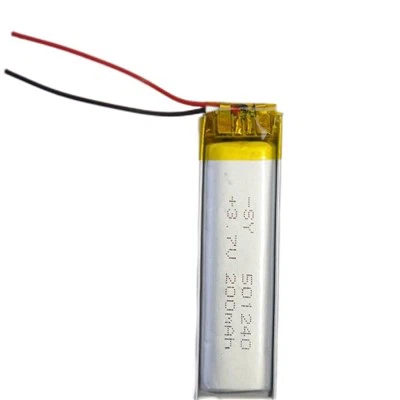
As a supplier of 80 Series Batteries, I often get asked about the possibility of using these batteries in parallel or series connections. This is a crucial question for many customers, especially those who are looking to expand their power storage capacity or meet specific voltage requirements. In this blog, I’ll delve into the technical aspects of parallel and series connections of 80 Series Batteries, their advantages, potential challenges, and safety considerations. 80 Series Battery
Understanding Parallel and Series Connections
Before we discuss the 80 Series Batteries specifically, let’s first understand what parallel and series connections mean.
In a parallel connection, the positive terminals of all batteries are connected together, and the negative terminals are also connected together. The voltage of the battery bank remains the same as that of a single battery, but the capacity (measured in ampere – hours, Ah) is the sum of the capacities of all the individual batteries. For example, if you connect two 80 Series Batteries with a capacity of 100 Ah each in parallel, the total capacity of the battery bank will be 200 Ah, while the voltage will remain the same as that of a single battery.
On the other hand, in a series connection, the positive terminal of one battery is connected to the negative terminal of the next battery. The voltage of the battery bank is the sum of the voltages of all the individual batteries, while the capacity remains the same as that of a single battery. For instance, if you connect two 12 – volt 80 Series Batteries in series, the total voltage of the battery bank will be 24 volts, and the capacity will remain at the capacity of a single battery.
Using 80 Series Batteries in Parallel
One of the main advantages of connecting 80 Series Batteries in parallel is the increased capacity. This is particularly useful in applications where a large amount of energy storage is required, such as in off – grid solar power systems or backup power supplies. By increasing the capacity, the battery bank can provide power for a longer period of time without the need for frequent recharging.
However, there are also some challenges associated with parallel connections. One of the key issues is the potential for uneven charging and discharging among the batteries. If the batteries have slightly different capacities or internal resistances, some batteries may charge or discharge faster than others. This can lead to overcharging or undercharging of individual batteries, which can reduce their lifespan and performance. To mitigate this problem, it is important to use batteries of the same model, age, and state of charge when making parallel connections. Additionally, using a battery management system (BMS) can help balance the charging and discharging of the batteries.
Using 80 Series Batteries in Series
Series connections of 80 Series Batteries are beneficial when a higher voltage is required. Many electrical devices and systems, such as electric vehicles and some industrial equipment, require a higher voltage than what a single battery can provide. By connecting batteries in series, you can achieve the desired voltage level.
When connecting 80 Series Batteries in series, it is crucial to ensure that all the batteries have the same capacity and state of charge. If one battery in the series has a lower capacity or is in a different state of charge, it can become a weak link in the chain. This can lead to overcharging or undercharging of the other batteries, potentially causing damage to the entire battery bank. Similar to parallel connections, a BMS can be used to monitor and balance the voltage across the batteries in a series connection.
Safety Considerations
Regardless of whether you are using 80 Series Batteries in parallel or series connections, safety should always be a top priority. When making connections, it is important to follow proper electrical safety procedures. This includes wearing appropriate protective gear, such as gloves and safety glasses, and ensuring that the batteries are properly insulated.
Overcharging and overheating are two common safety hazards associated with battery connections. To prevent overcharging, it is essential to use a charger that is compatible with the battery bank’s voltage and capacity. A BMS can also help prevent overcharging by monitoring the battery’s state of charge and disconnecting the charger when the battery is fully charged.
Overheating can occur if the batteries are being charged or discharged at a rate that is too high. To prevent overheating, it is important to ensure that the battery bank has adequate ventilation and that the charging and discharging rates are within the manufacturer’s recommended limits.
Real – World Applications
In real – world applications, the choice between parallel and series connections of 80 Series Batteries depends on the specific requirements of the system. For example, in a small off – grid solar power system that requires a relatively long – lasting power supply, parallel connections may be more suitable. On the other hand, in an electric vehicle that requires a high – voltage power source, series connections are often used.
Let’s take the example of a small business that wants to install a backup power system. If the business has a number of low – voltage devices that need to be powered for an extended period of time, a parallel connection of 80 Series Batteries can provide the necessary capacity. However, if the business has some high – voltage equipment, such as a large industrial motor, a series connection may be required to achieve the appropriate voltage.
Conclusion
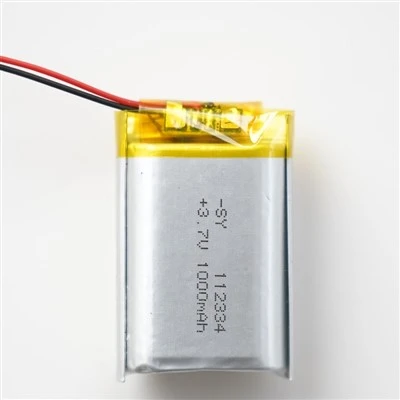
In conclusion, the 80 Series Batteries can be used in both parallel and series connections, each with its own set of advantages and challenges. Parallel connections are ideal for increasing the capacity of the battery bank, while series connections are useful for achieving a higher voltage. However, it is important to take into account the potential issues, such as uneven charging and discharging, and to implement proper safety measures.
40 Series Battery If you are considering using 80 Series Batteries in parallel or series connections for your project, I encourage you to reach out to us. Our team of experts can provide you with detailed information and guidance on the best way to connect the batteries based on your specific needs. Whether you are a small – scale user or a large – scale industrial customer, we are here to help you make the most of your 80 Series Batteries.
References
- Battery Technology Handbook.
- Electrical Engineering Principles for Battery Connections.
- Manufacturer’s Specifications for 80 Series Batteries.
Hubei Shuoyue Electronics Technology Co., Ltd.
As one of the most professional 80 series battery manufacturers and suppliers in China, we also support custom service. Please feel free to wholesale bulk cheap 80 series battery from our factory. For price consultation, contact us.
Address: Hubei Shuoyue Industrial Park Management Co., Ltd., No. 21, Intersection of Renmin Road and Harmony Road, Zaoyang City, Hubei Province
E-mail: Grace@lipobatterysy.com
WebSite: https://www.hbsy-battery.com/
