When it comes to heavy washers, the choice of materials is a critical factor that determines their performance, durability, and suitability for various applications. As a seasoned heavy washer supplier, I’ve witnessed firsthand the diverse range of materials used in the manufacturing of these essential components. In this blog post, I’ll delve into the different materials commonly employed in heavy washers, exploring their unique properties, advantages, and typical use cases. Heavy Washers
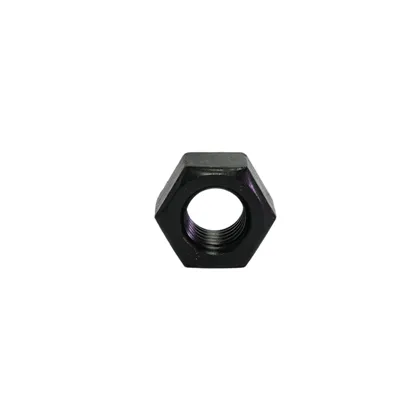
Carbon Steel
Carbon steel is one of the most widely used materials for heavy washers. It is an alloy of iron and carbon, with carbon content typically ranging from 0.05% to 2.1%. The carbon content significantly influences the strength and hardness of the steel. Low – carbon steel (less than 0.3% carbon) is relatively soft and ductile, making it easy to form and weld. It is often used in applications where high strength is not the primary requirement, such as in general – purpose machinery and construction.
Medium – carbon steel (0.3% – 0.6% carbon) offers a good balance between strength and ductility. It can be heat – treated to increase its hardness and strength, making it suitable for heavy – duty applications where the washer needs to withstand significant loads. High – carbon steel (more than 0.6% carbon) is extremely hard and strong but has lower ductility. It is often used in applications where wear resistance is crucial, such as in automotive engines and industrial presses.
One of the main advantages of carbon steel heavy washers is their relatively low cost. They are also readily available in a wide range of sizes and shapes. However, carbon steel is prone to corrosion, especially in humid or corrosive environments. To mitigate this issue, carbon steel washers can be coated with various protective finishes, such as zinc plating, which provides a sacrificial layer that corrodes instead of the steel.
Stainless Steel
Stainless steel is another popular material for heavy washers, especially in applications where corrosion resistance is a top priority. Stainless steel is an alloy of iron, chromium, and other elements, with a minimum chromium content of 10.5%. The chromium forms a thin, passive oxide layer on the surface of the steel, which protects it from corrosion.
There are several types of stainless steel commonly used for heavy washers, including austenitic, ferritic, and martensitic stainless steels. Austenitic stainless steels, such as 304 and 316, are the most widely used. They are non – magnetic, highly corrosion – resistant, and have excellent formability. Type 304 is suitable for general – purpose applications in mildly corrosive environments, while type 316 contains molybdenum, which enhances its corrosion resistance in more aggressive environments, such as marine or chemical processing applications.
Ferritic stainless steels are magnetic and have good corrosion resistance, especially in high – temperature environments. They are often used in applications where cost is a concern and high strength is not required. Martensitic stainless steels are hard and strong but have lower corrosion resistance compared to austenitic and ferritic stainless steels. They are typically used in applications where high strength and wear resistance are needed, such as in cutlery and some industrial tools.
The main advantage of stainless steel heavy washers is their superior corrosion resistance, which extends their service life in harsh environments. They also have a clean and aesthetically pleasing appearance, making them suitable for applications where appearance matters. However, stainless steel is more expensive than carbon steel, and its high strength can make it more difficult to machine.
Alloy Steel
Alloy steel is a type of steel that contains additional alloying elements, such as nickel, chromium, molybdenum, and vanadium, in addition to carbon. These alloying elements are added to enhance specific properties of the steel, such as strength, hardness, toughness, and corrosion resistance.
Alloy steel heavy washers are commonly used in high – performance applications, such as aerospace, automotive, and heavy machinery. For example, in the aerospace industry, alloy steel washers are used in aircraft engines and landing gear systems, where they need to withstand extreme temperatures, high loads, and vibration.
One of the key advantages of alloy steel is its ability to be customized to meet specific requirements. By adjusting the composition and heat – treatment process, manufacturers can produce alloy steel washers with a wide range of mechanical properties. However, alloy steel is generally more expensive than carbon steel and may require more complex manufacturing processes.
Brass
Brass is an alloy of copper and zinc, with a typical zinc content ranging from 5% to 45%. Brass heavy washers are known for their excellent corrosion resistance, especially in marine environments. They also have good electrical conductivity, making them suitable for electrical applications.
Brass has a relatively low melting point, which makes it easy to cast and machine. It has a yellowish – gold appearance, which can be aesthetically appealing in some applications. Brass washers are often used in plumbing, electrical, and decorative applications, where their corrosion resistance and appearance are valued.
However, brass is not as strong as steel, and its mechanical properties may limit its use in high – load applications. It is also more expensive than carbon steel, which can be a factor in cost – sensitive projects.
Aluminum
Aluminum is a lightweight and corrosion – resistant metal that is increasingly being used in the manufacturing of heavy washers. Aluminum alloys are typically used, as they offer better mechanical properties than pure aluminum.
Aluminum heavy washers are commonly used in applications where weight reduction is a priority, such as in the automotive and aerospace industries. They are also used in electrical applications due to their good electrical conductivity. Aluminum has a natural oxide layer on its surface, which provides some protection against corrosion. However, in more aggressive environments, additional protective coatings may be required.
One of the main advantages of aluminum heavy washers is their low weight, which can help reduce the overall weight of the equipment or structure they are used in. This can lead to energy savings and improved performance. However, aluminum is not as strong as steel, and its use may be limited in high – load applications.
Nylon
Nylon is a synthetic polymer that is used in some heavy washer applications. Nylon washers are lightweight, corrosion – resistant, and have good electrical insulation properties. They are often used in applications where vibration damping and electrical isolation are required, such as in electrical equipment and automotive components.
Nylon has a relatively low coefficient of friction, which can help reduce wear and tear on mating surfaces. It is also resistant to many chemicals and solvents, making it suitable for use in a variety of environments. However, nylon has lower strength and heat resistance compared to metals, and its use may be limited in high – temperature or high – load applications.
Choosing the Right Material
Selecting the right material for heavy washers depends on several factors, including the application requirements, the environment in which the washer will be used, and the cost – effectiveness. For applications where high strength and durability are the primary concerns, carbon steel or alloy steel may be the best choice. In corrosive environments, stainless steel or brass may be more suitable. For weight – sensitive applications, aluminum or nylon may be preferred.
As a heavy washer supplier, I understand the importance of providing our customers with the right materials for their specific needs. We work closely with our clients to understand their requirements and recommend the most appropriate materials and washer designs. Whether it’s a standard washer or a custom – made solution, we are committed to delivering high – quality products that meet the highest industry standards.
Connect for Your Heavy Washer Needs
Welding Nut If you are in the market for heavy washers and are still unsure about which material is best for your application, or if you have specific requirements that need to be met, I invite you to reach out for a detailed discussion. Our team of experts is well – versed in the properties and applications of different materials and can offer you professional advice. We can also provide samples for you to test, ensuring that the heavy washers you choose perfectly match your needs. Don’t hesitate to start the conversation with us to explore how we can support your procurement requirements.
References
- ASM Handbook Volume 1: Properties and Selection: Irons, Steels, and High – Performance Alloys.
- Metals Handbook Desk Edition, 3rd Edition.
- Engineering Materials and Their Applications, 6th Edition by Donald R. Askeland.
Jiaxing Jinling Hardware Technolgy Joint Stock Co., Ltd.
Address: No.32, Shenjiadai, Xuyouche Village, Qinshan Subdistrict, Haiyan County, Zhejiang Province, China
E-mail: jlzxl@jinlingfstn.com
WebSite: https://www.china-nut-factory.com/
